Real-Time Shift Readiness & Workforce Allocation

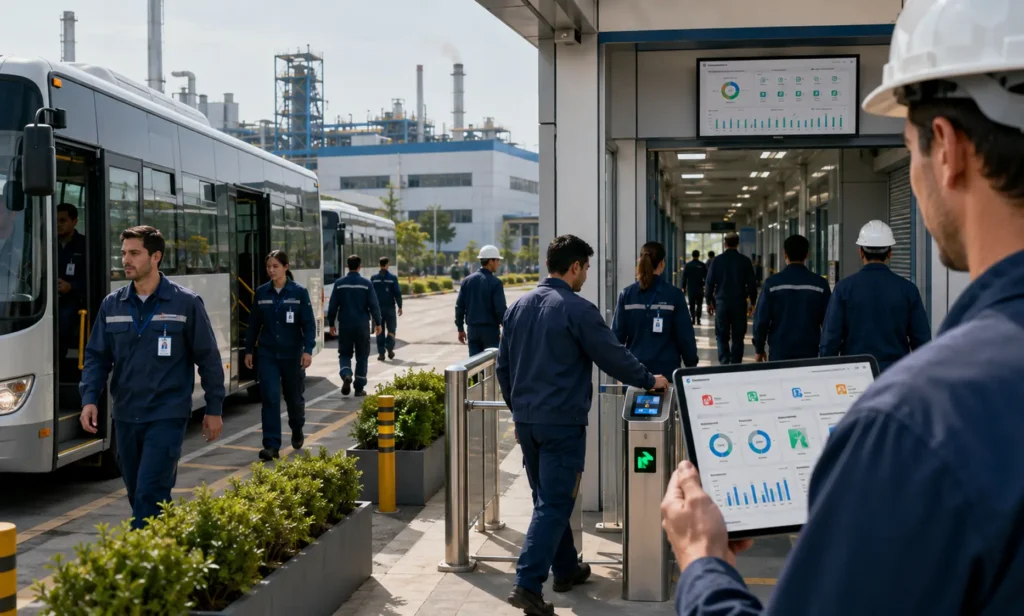
Know who has reported for work, monitor workforce availability in real time, and prepare manpower, raw materials, and production activities before every shift.

Shift Readiness

The Cost of Poor Shift Visibility

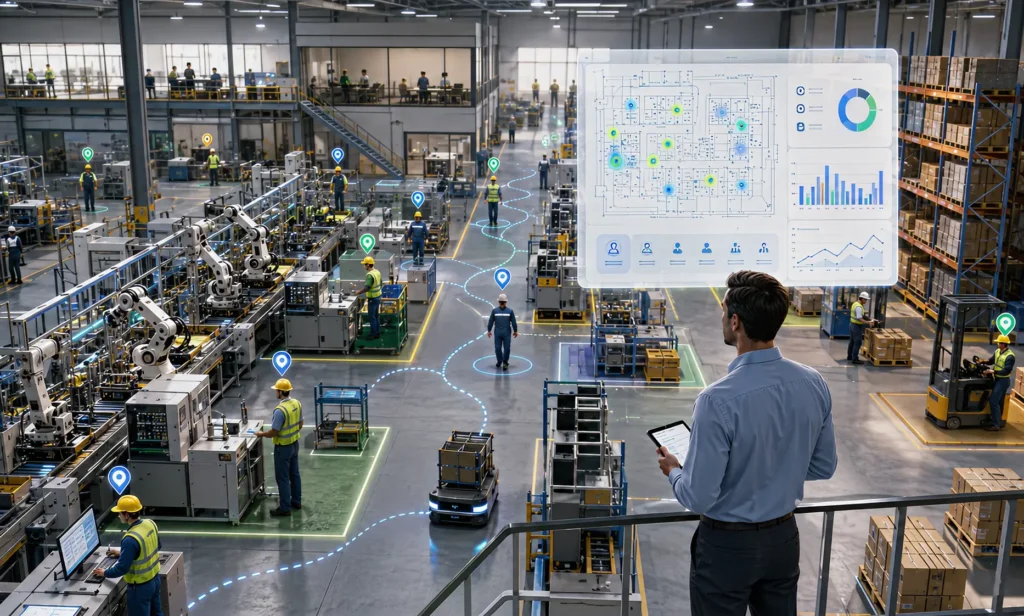
Production efficiency depends on having the right people, materials, and equipment ready before every shift. Without real-time workforce visibility, supervisors struggle to verify attendance, allocate manpower, and prepare production resources, resulting in delays and reduced productivity.

Unknown Workforce Availability

Supervisors do not know how many employees have reported before the shift begins.

Production Delays

Manufacturing starts late because workforce readiness cannot be confirmed quickly.

Manual Attendance Verification

Attendance records require manual verification before production planning.

Poor Workforce Allocation

Employees cannot be optimally assigned to production lines or workstations.

Material Preparation Delays

Raw materials and work orders cannot be prepared accurately without knowing available manpower.

Limited Shift Analytics

Organizations lack visibility into workforce readiness and shift performance.

How Shift Readiness Works

1.

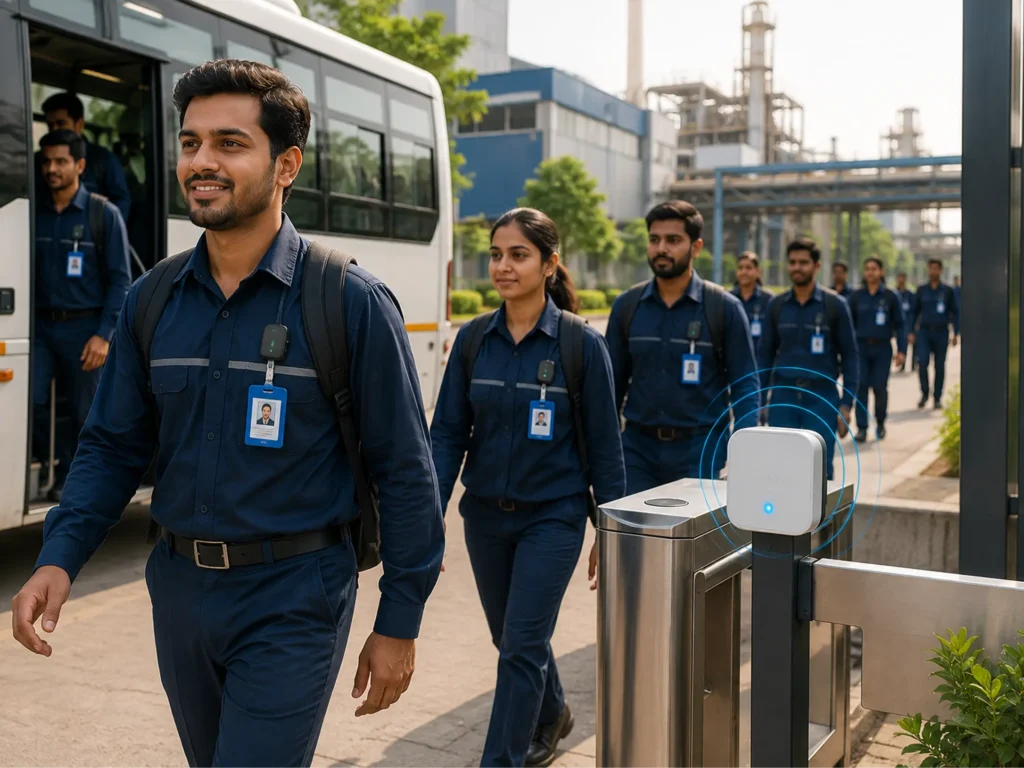
Employee Wearable Tag

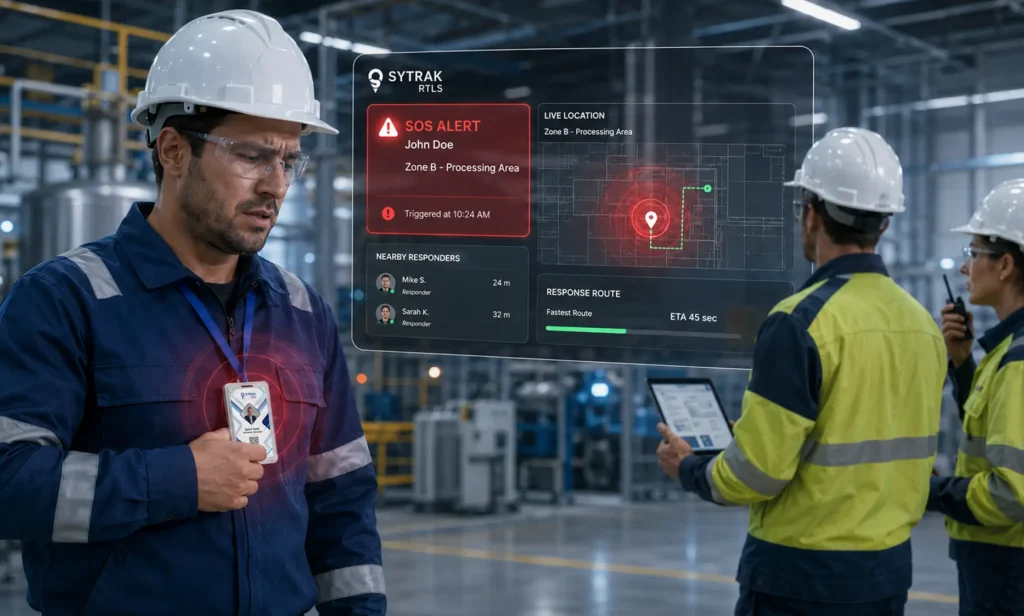
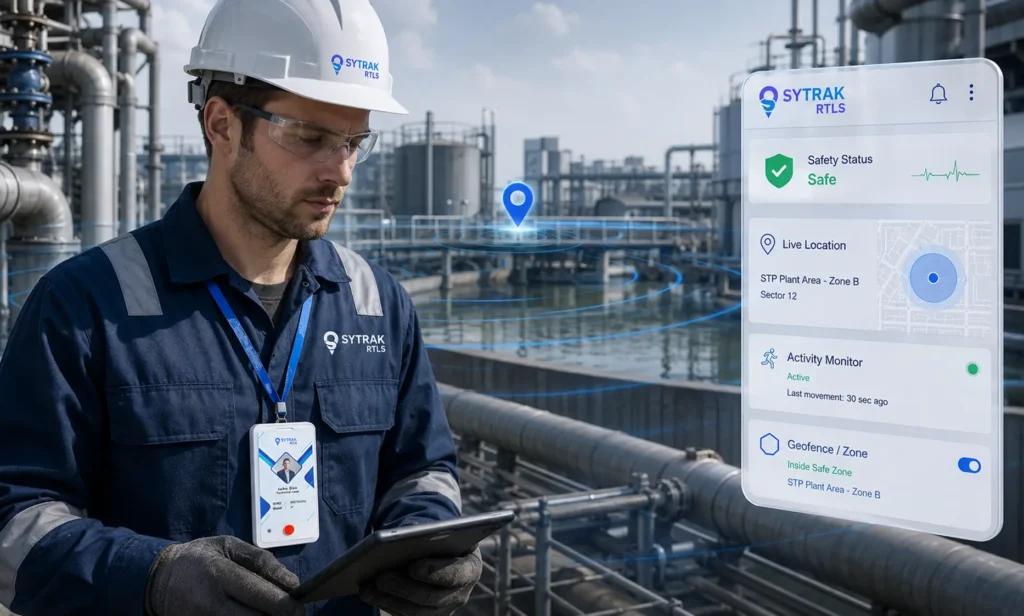
Employees carry RTLS-enabled ID cards or wearable tags that are automatically detected during bus boarding, facility entry, or designated checkpoints.

Employee Wearable Tag

2.

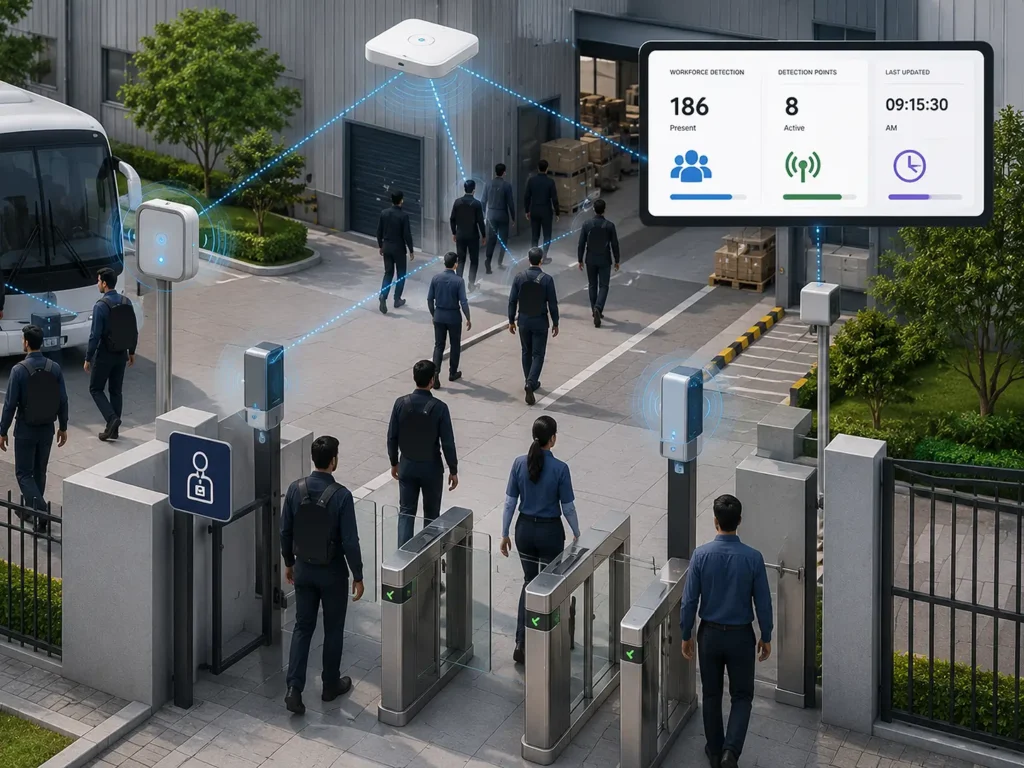
Reader/ Gateway Network

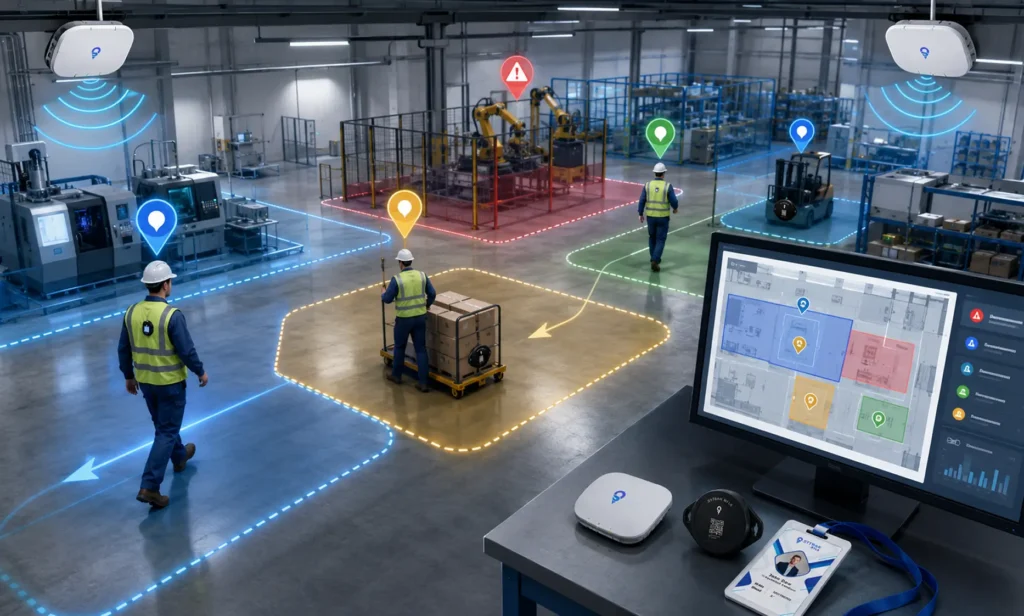
BLE, RFID, UWB, GPS, and gateway infrastructure automatically detects employee presence and updates workforce availability in real time.

Gateway Network

3.

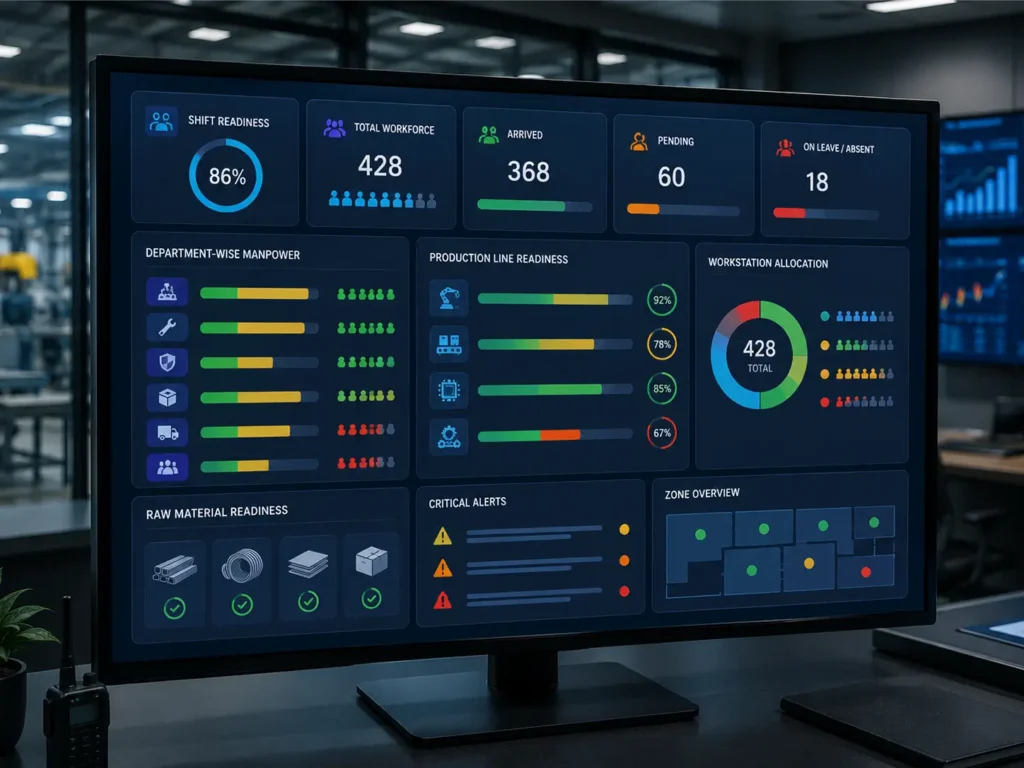
Shift Readiness Dashboard

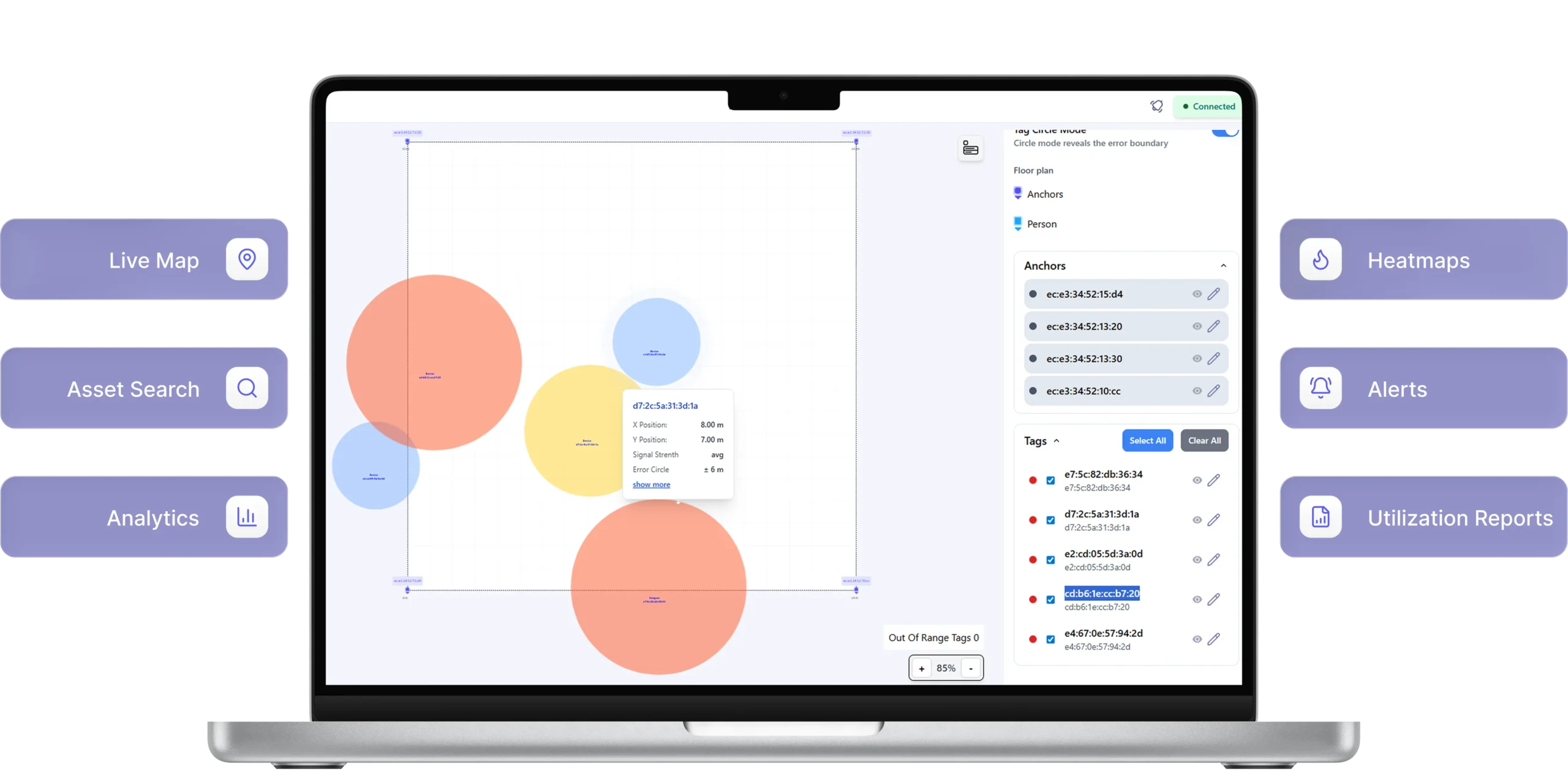
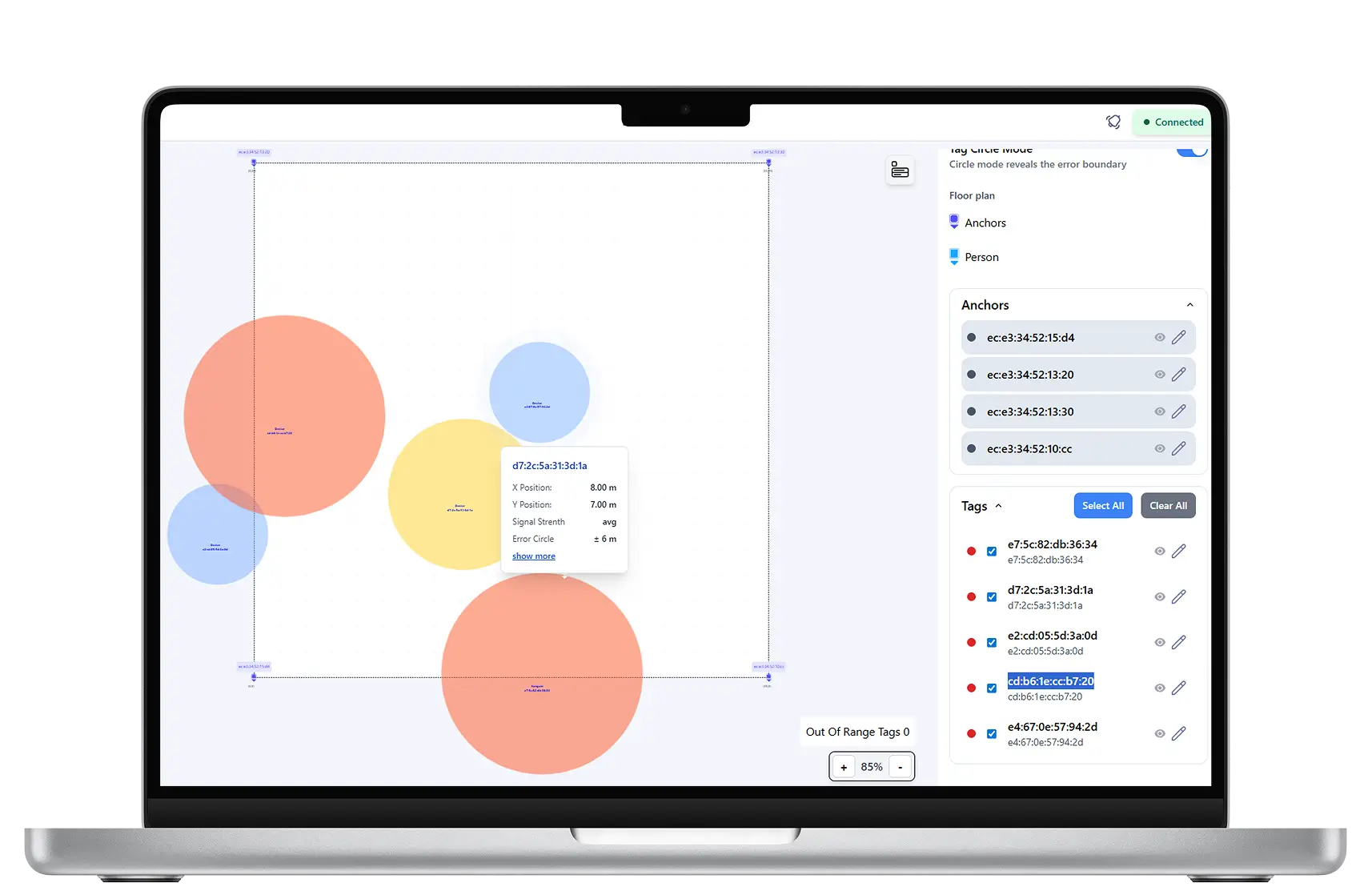
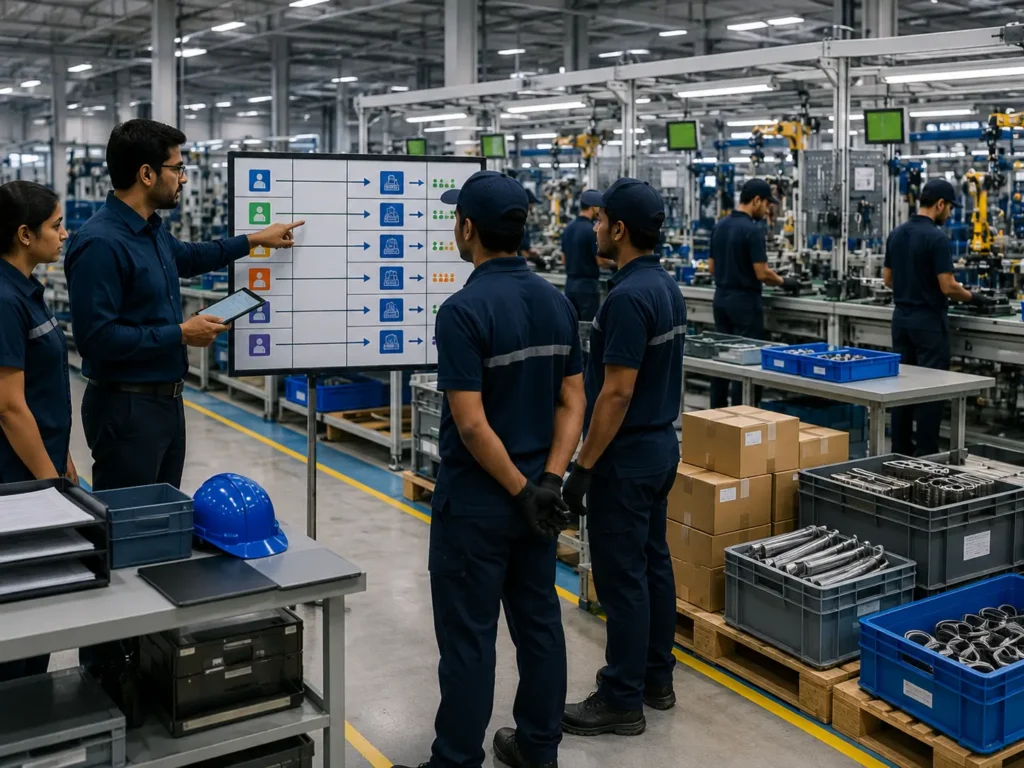
Supervisors instantly view employees who have arrived, department-wise manpower availability, shift readiness, and attendance status.

Shift Readiness Dashboard

4.

Workforce & Material Allocation

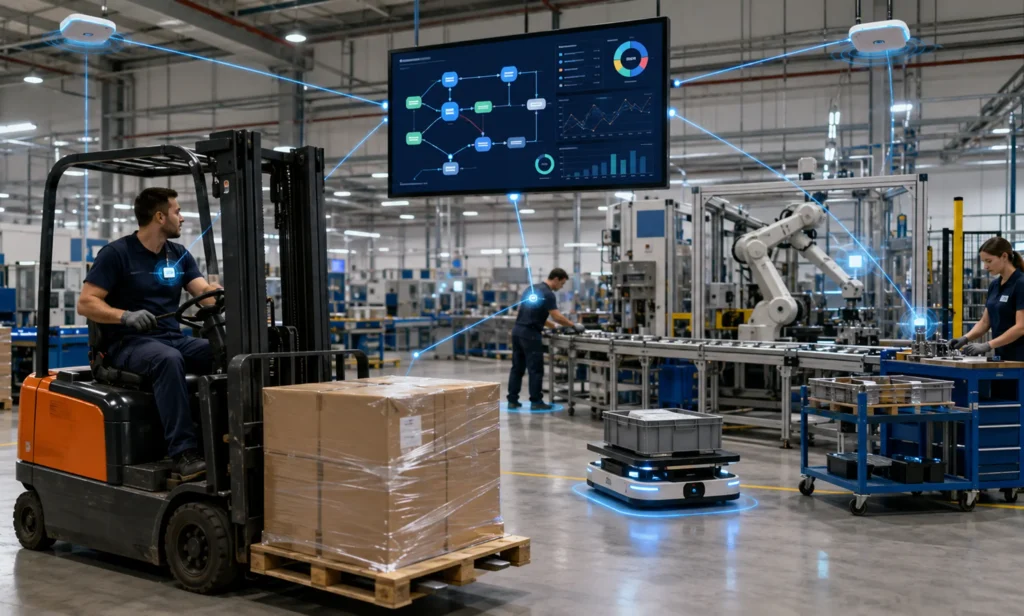
Based on available manpower, supervisors assign workstations, allocate operators, prepare raw materials, and release production activities.

Workforce & Material Allocation

5.

Analytics Dashboard

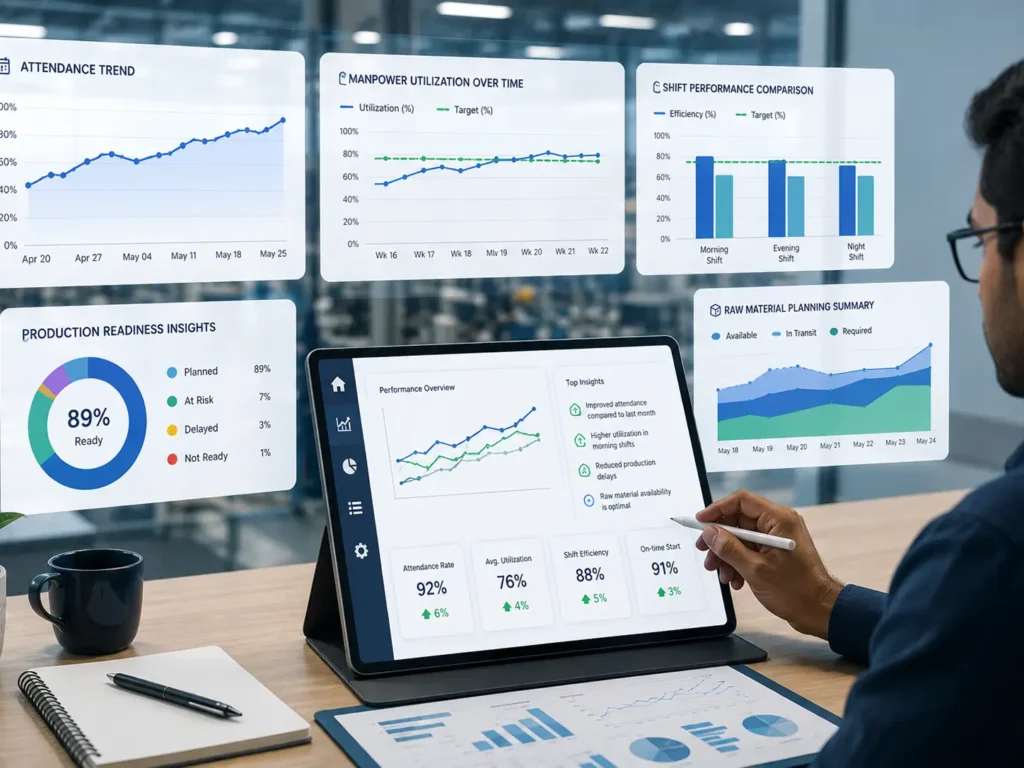
Analyze attendance trends, manpower utilization, shift readiness, workforce allocation, and production readiness through centralized dashboards.

Analytics Dashboard (1)

Key Features

Automatic Attendance Detection

Shift Readiness Dashboard

Workforce Allocation

Bus Boarding Visibility

Department Availability

Production Readiness

Raw Material Planning

ERP & MES Integration

Workforce Analytics

Business Impact of Shift Readiness

Challenge Benefit
Manual attendance ✓ Automated workforce visibility
Unknown manpower availability ✓ Better workforce planning
Delayed production start ✓ Faster shift readinessy
Poor workforce allocation ✓ Improved manpower utilization
Material planning delays ✓ Better production planning
Limited operational insight ✓ Data-driven decisions

Technologies

BLE RSSI

Cost-Effective Zone-level Tracking

BLE AoA

Sub-meter Indoor Positioning

UWB

High-Precision Location Tracking

RFID

Inventory and Checkpoint Visibility

GPS

Outdoor and Long-range Tracking

Shift Readiness Dashboard

DashboardShowcase
Asset Tracking Dashboard-mobile
Asset Tracking Group

Success Metrics

Reduced Production Start Delays

Improved Workforce Allocation

Better Material Planning

Real-Time Shift Readiness

Results may vary depending on deployment scope, operational environment, and tracking technology used.

Asset Tracking Across Industries

FAQs

Employees are automatically detected using RTLS tags as they board company buses, enter facility gates, or pass designated checkpoints, eliminating manual attendance recording.

Yes. The dashboard provides a live view of available employees by department, production line, or shift, enabling better planning before production begins.

Yes. Workforce availability can be integrated with ERP and MES platforms to support manpower planning, workstation allocation, and raw material preparation.

Yes. RTLS-enabled tags can automatically detect employee boarding and provide supervisors with advance visibility into expected workforce availability before arrival.

Yes. The platform supports permanent employees, contractors, temporary workers, and other personnel using the same RTLS infrastructure.

Yes. SYTRAK RTLS integrates with ERP, MES, HRMS, WMS, and production planning platforms using APIs and standard integration methods.

Ready to Automate Zone Monitoring?