Location Intelligence for
Smarter Industrial Automation
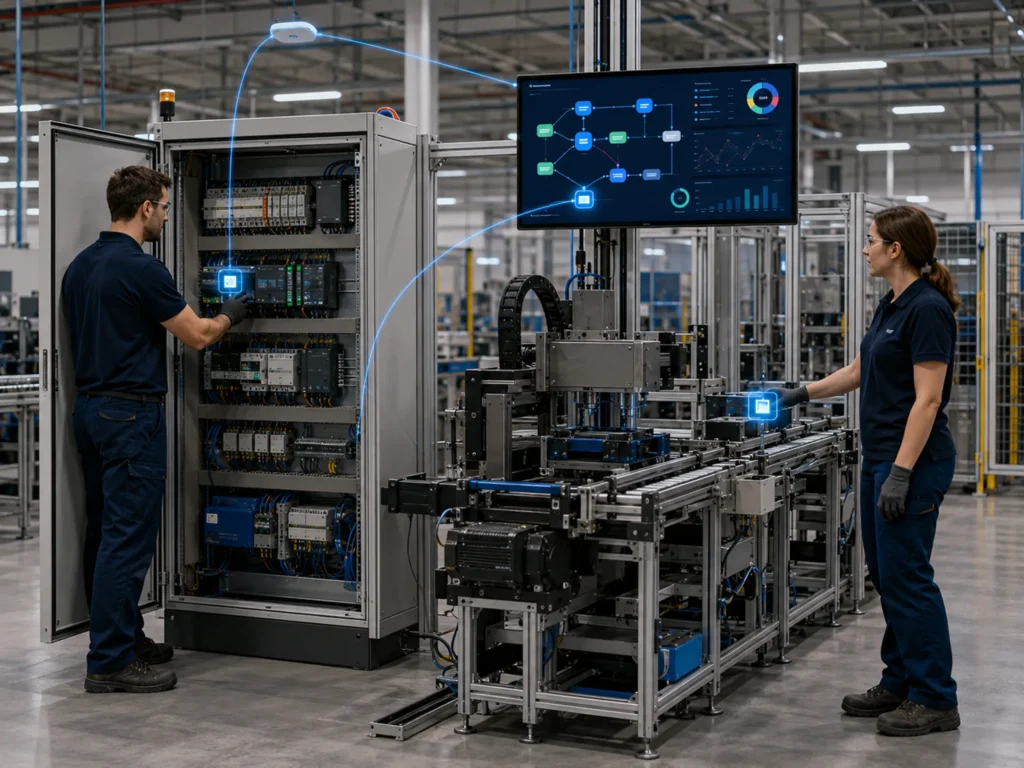
Automate workflows, trigger real-time actions, and connect people, assets, and equipment using RTLS-powered location intelligence and industrial automation.
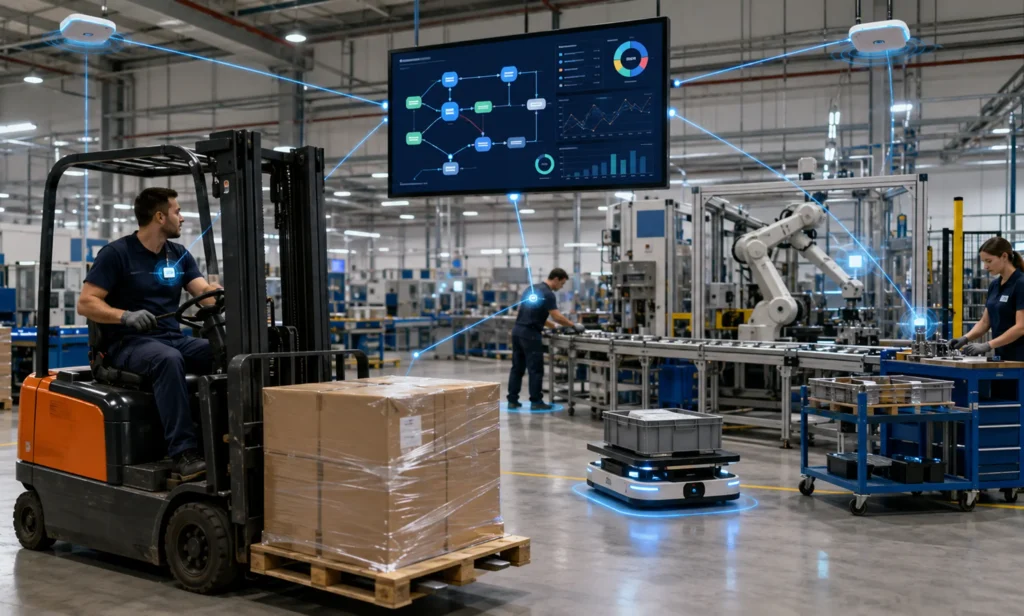
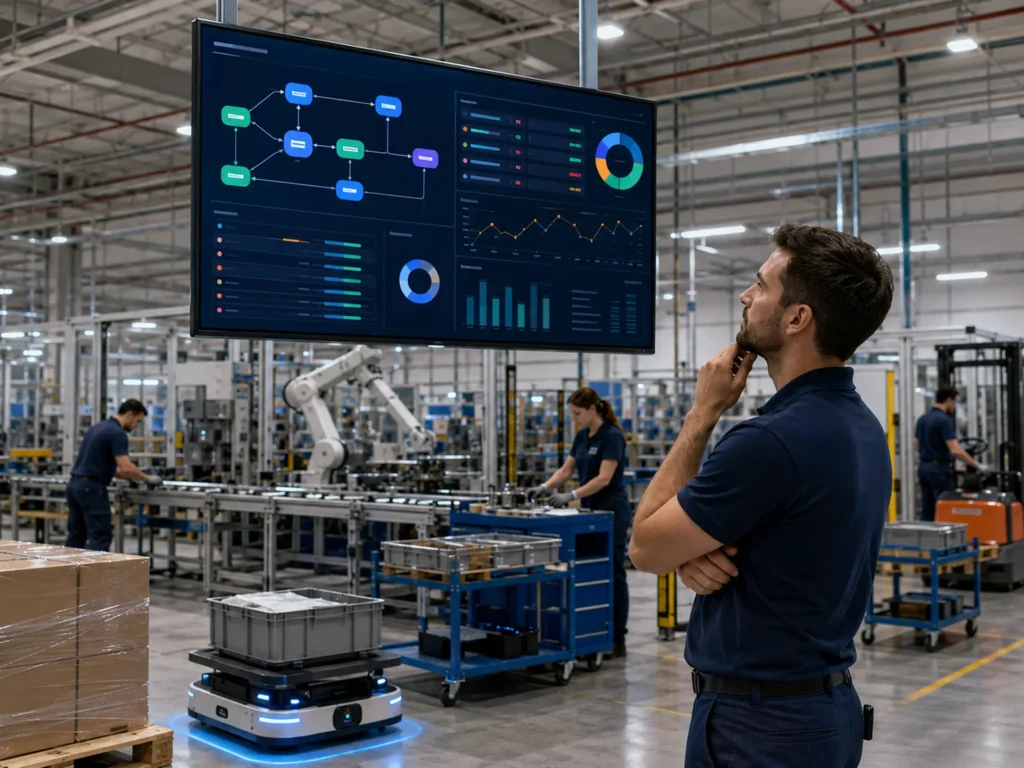
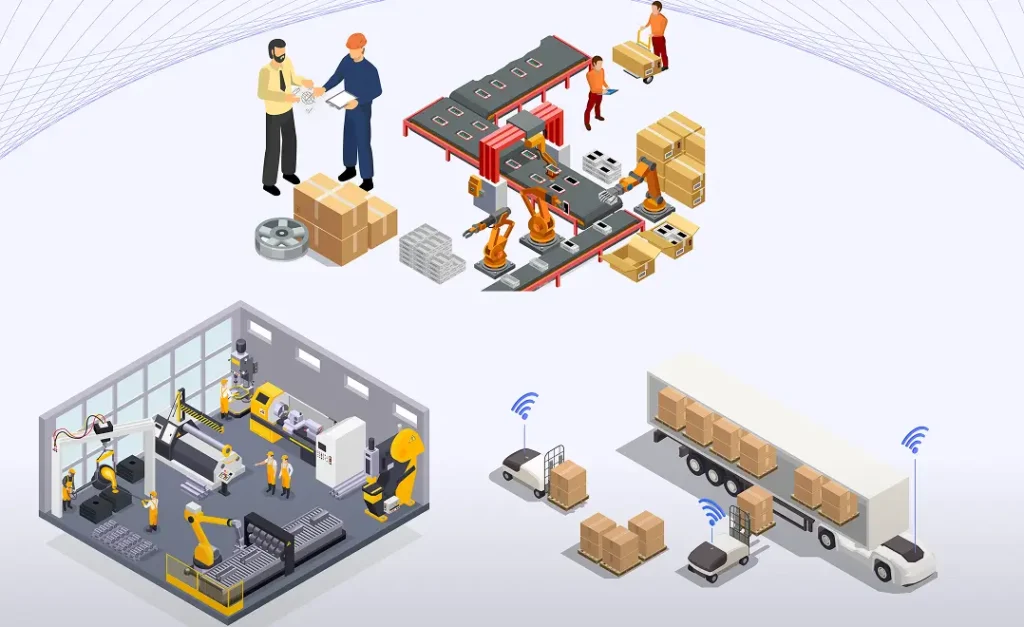
Many industrial processes still depend on manual intervention to move materials, trigger workflows, update systems, or coordinate operations. This results in delays, human errors, and inconsistent execution. By combining RTLS with automation, organizations can create intelligent workflows that automatically respond to real-time events.
Manual Process Execution
Employees perform repetitive operational tasks that can be automated.
Delayed Workflow Triggers
Production processes wait for manual approvals or operator intervention.
Human Errors
Manual data entry and process execution increase operational risks.
Limited System Integration
Location information is often disconnected from ERP, MES, PLC, and SCADA systems.
Slow Decision Making
Supervisors rely on manual updates instead of real-time operational events.
Inefficient Operations
Disconnected systems reduce productivity and increase operating costs.
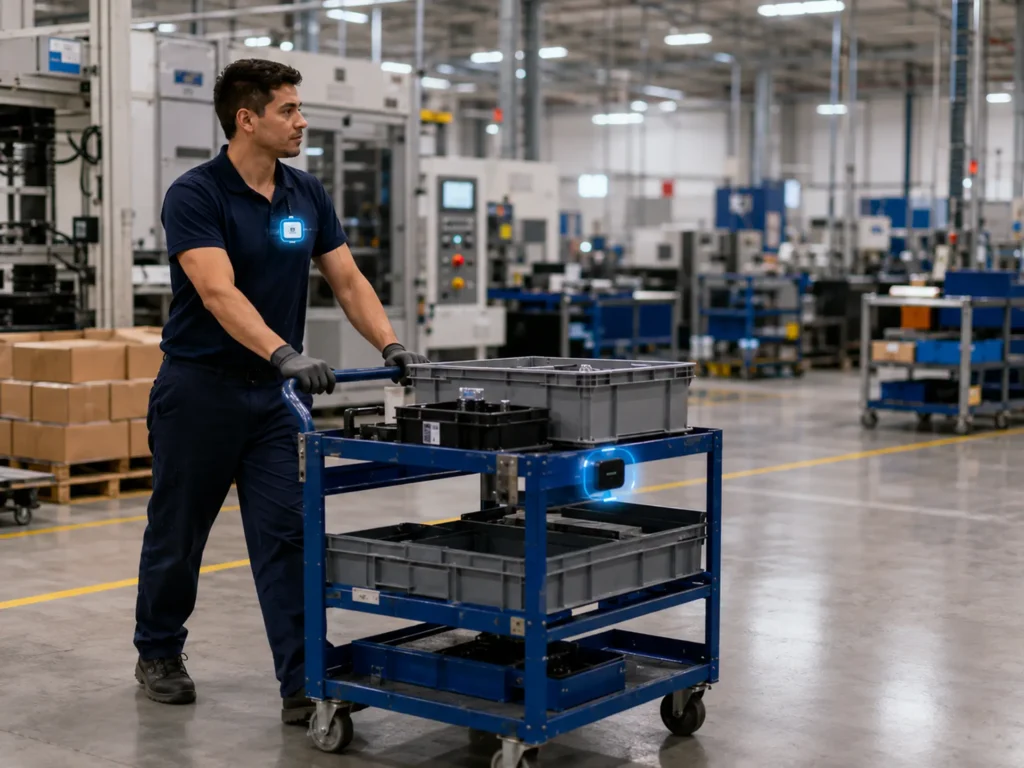
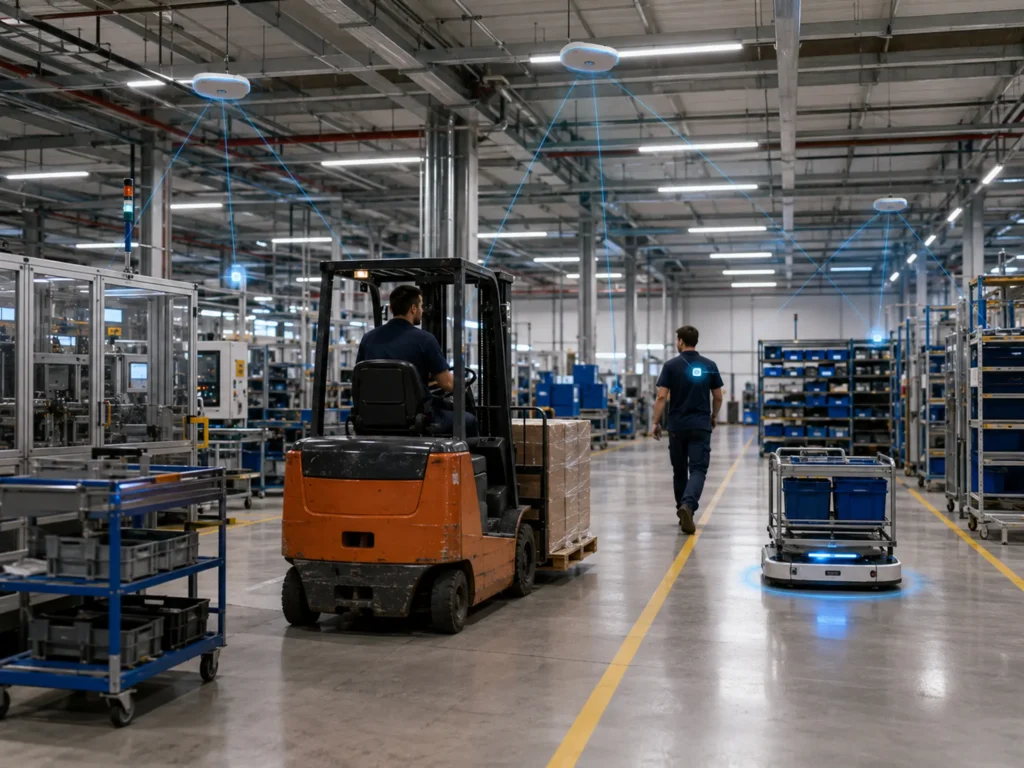
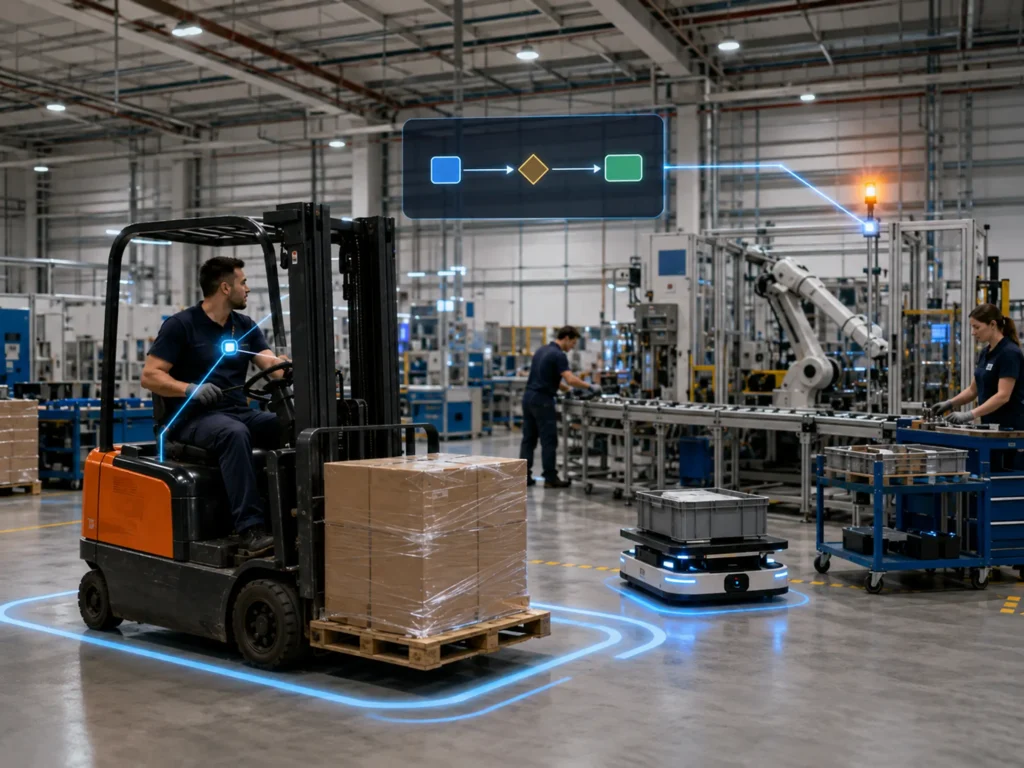
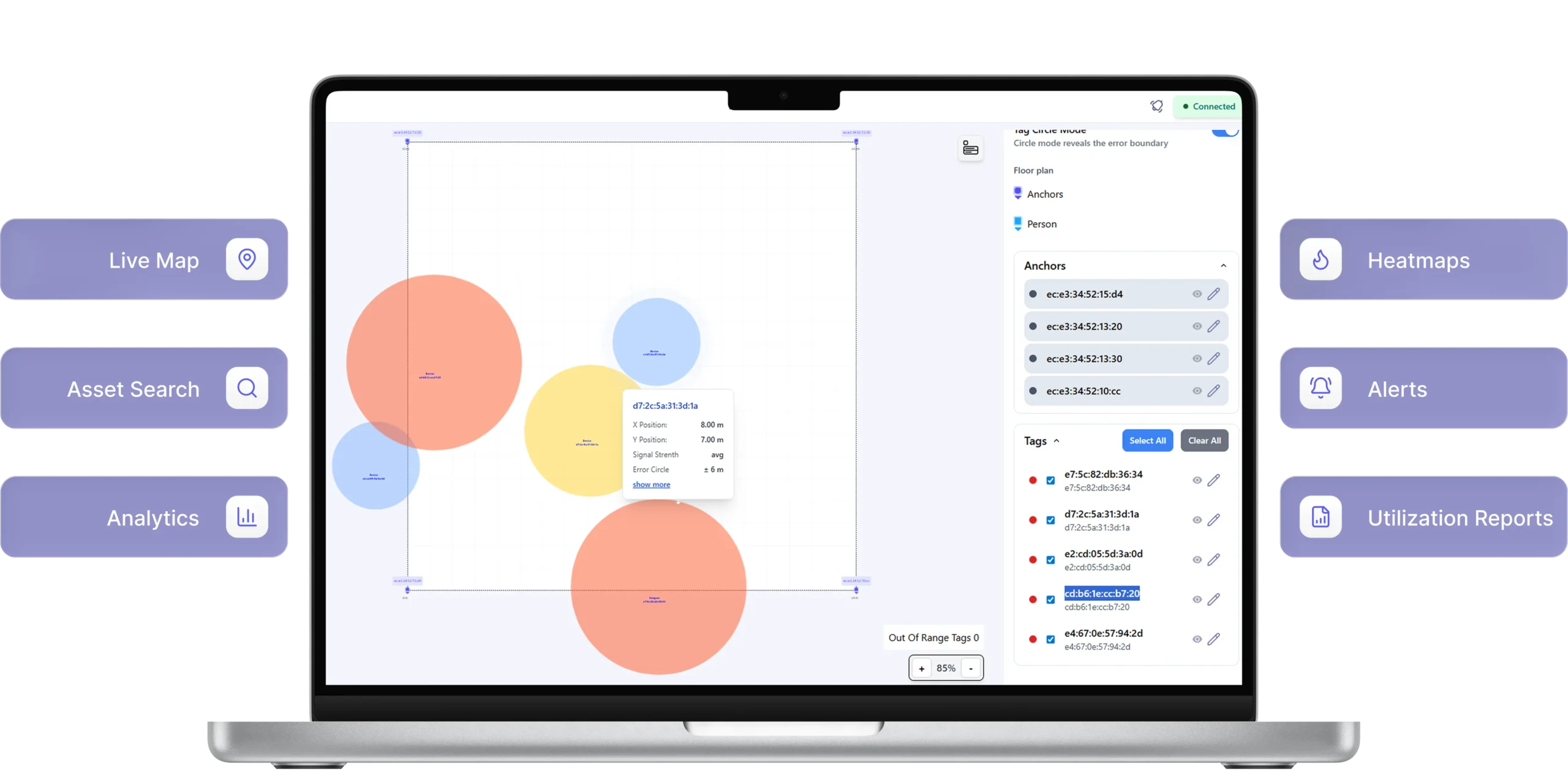
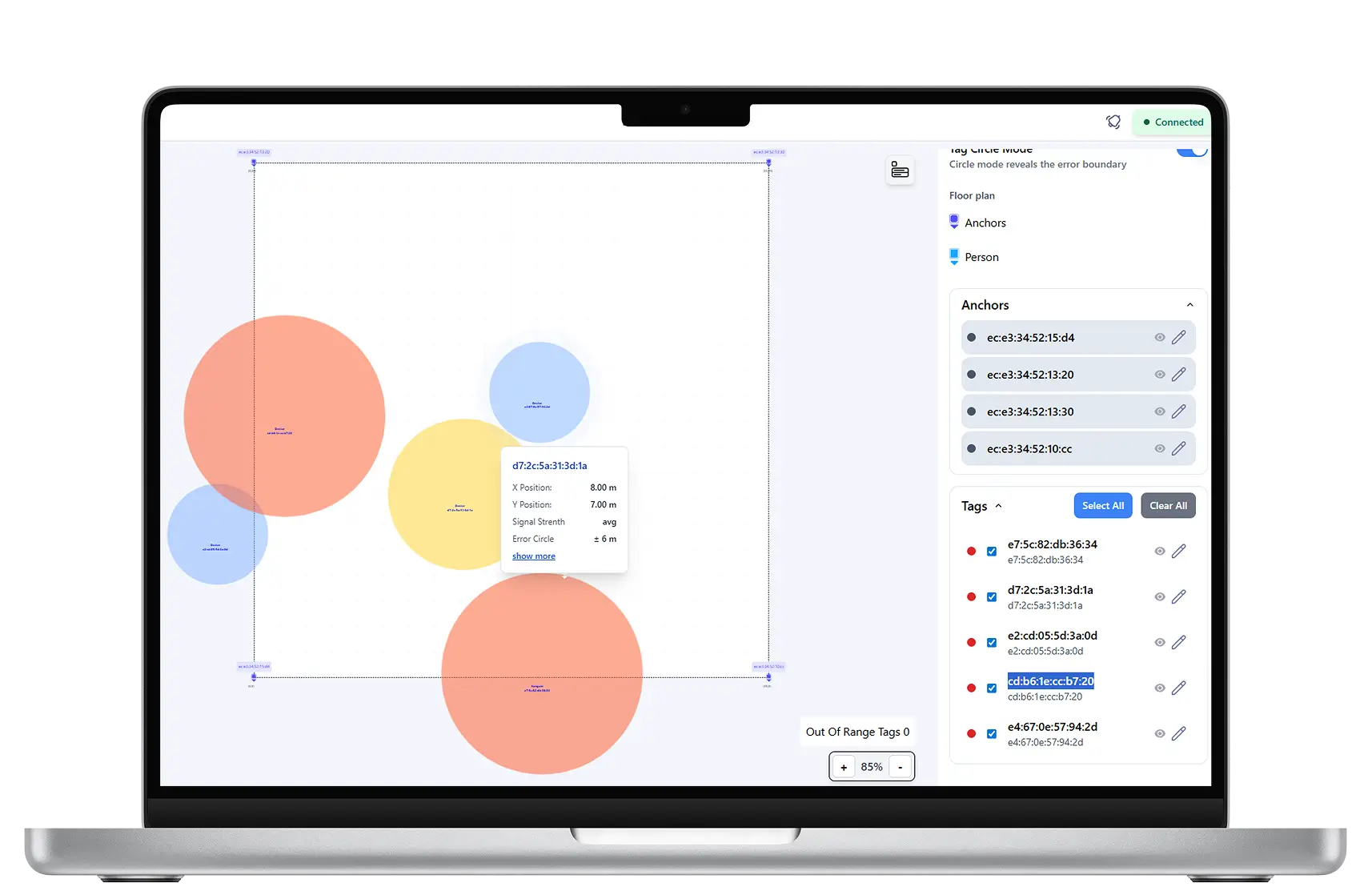
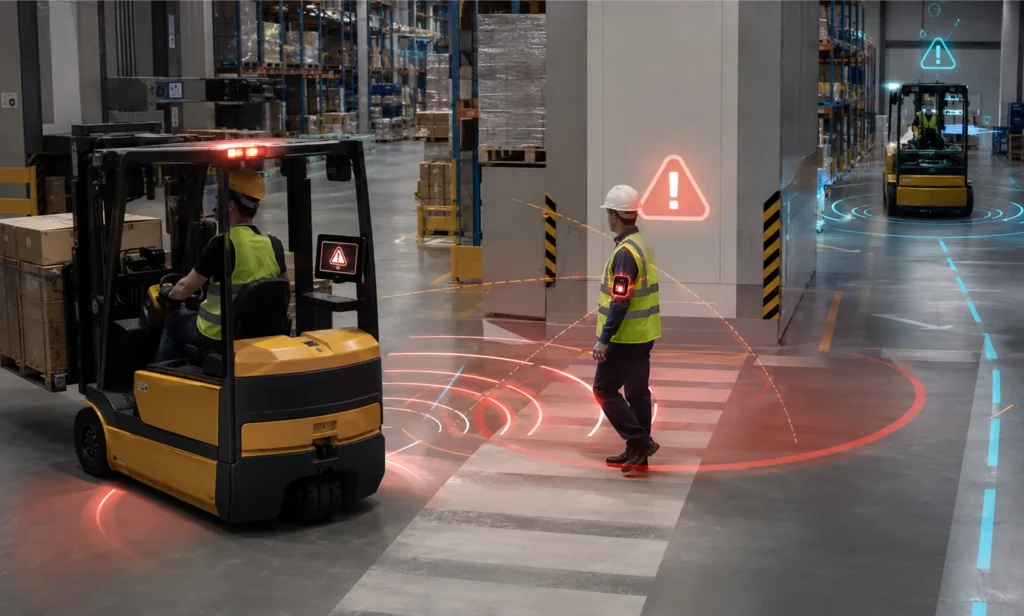
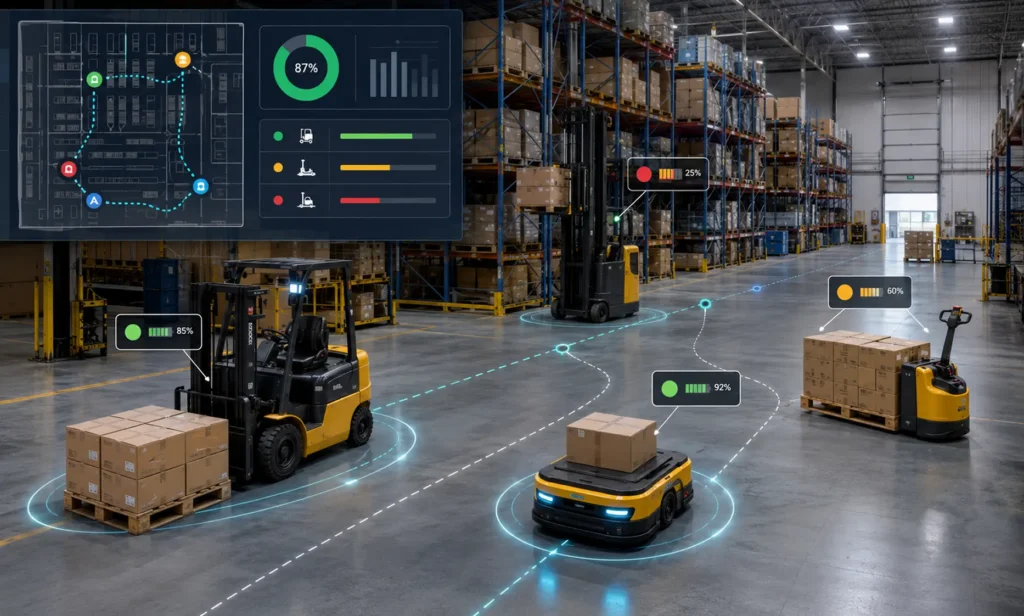
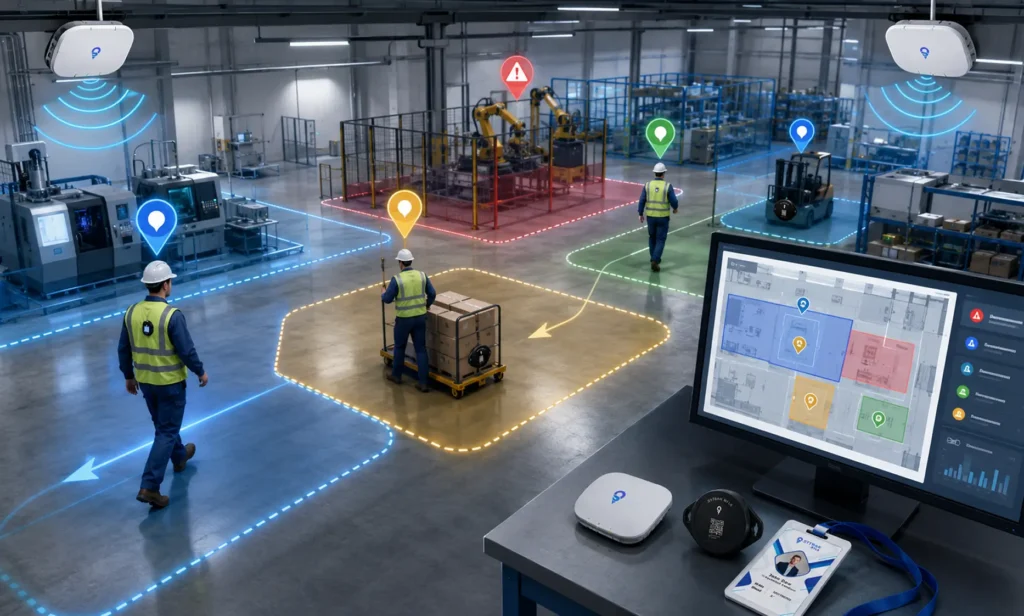
RTLS continuously detects the location of people, assets, vehicles, and inventory. These location events automatically trigger workflows such as opening gates, dispatching AGVs, assigning tasks, starting production processes, or generating alerts.
Yes. SYTRAK RTLS integrates with PLCs, SCADA, MES, ERP, WMS, CMMS, and IoT platforms using APIs, MQTT, OPC UA, Modbus, REST APIs, and other standard industrial communication protocols.
Examples include automatic material movement, workstation readiness, machine interlocking, dock automation, AGV dispatching, access control, work order generation, safety alerts, and production workflow orchestration.
Yes. Business rules can be configured to match operational processes, allowing organizations to automate workflows based on location, proximity, time, equipment status, or custom events.
Yes. Every automation event, workflow execution, system response, and operational KPI is recorded and presented through dashboards and reports for continuous improvement.
Yes. SYTRAK RTLS forms a key component of Industry 4.0 by connecting real-time location intelligence with enterprise systems, industrial equipment, and automated operational workflows.