Real-Time Anti-Collision & Proximity Warning System
Prevent collisions between forklifts, vehicles, mobile equipment, and personnel with real-time proximity detection, intelligent alerts, and RTLS-powered safety monitoring.
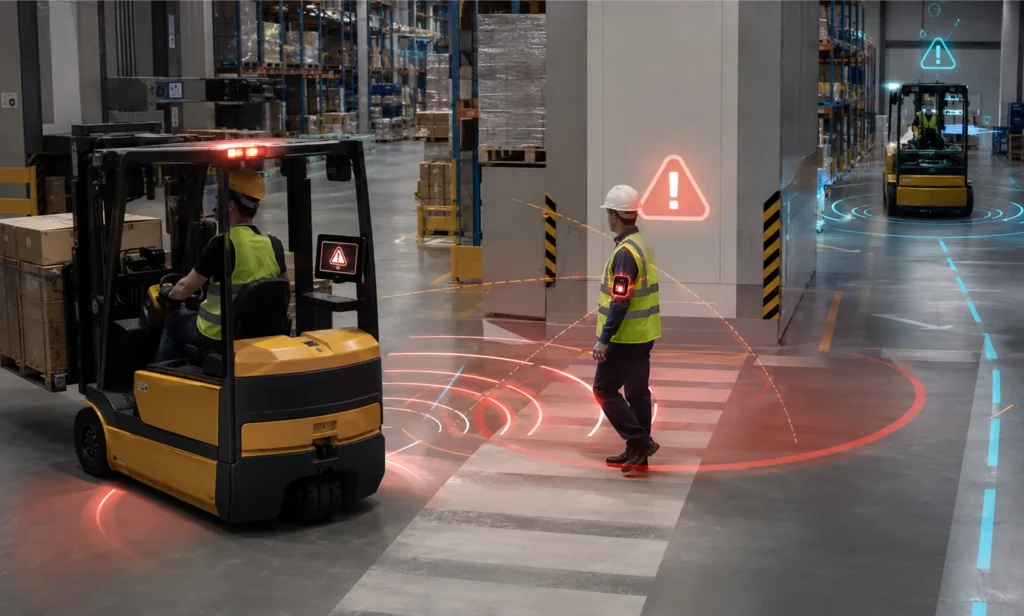
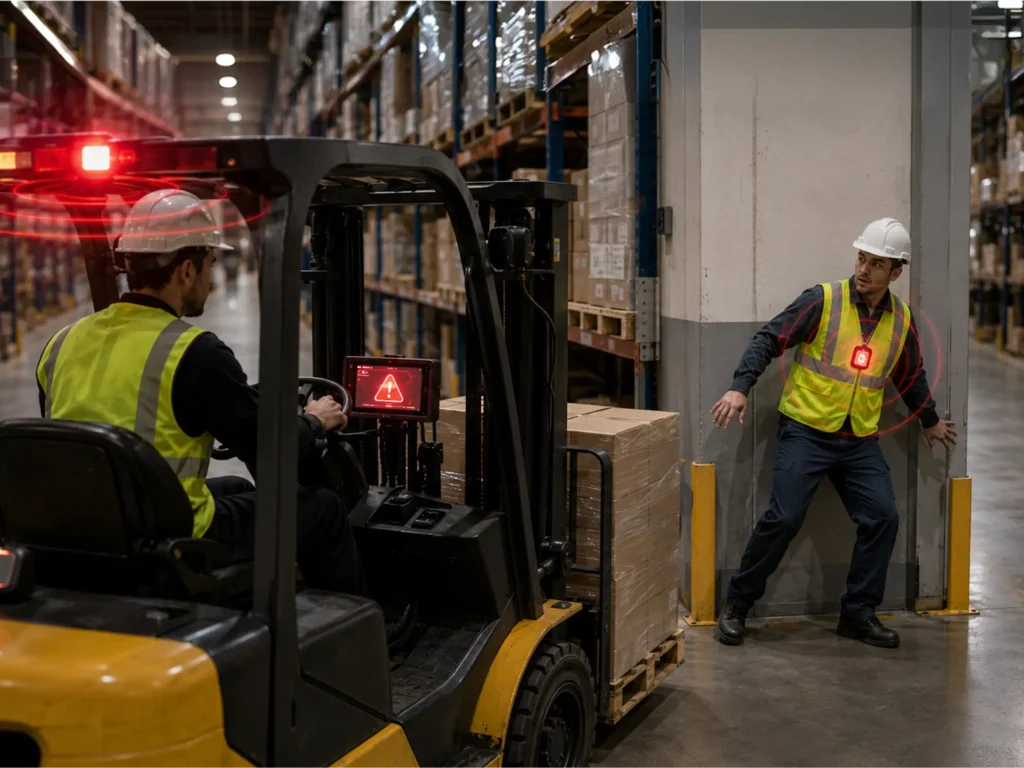
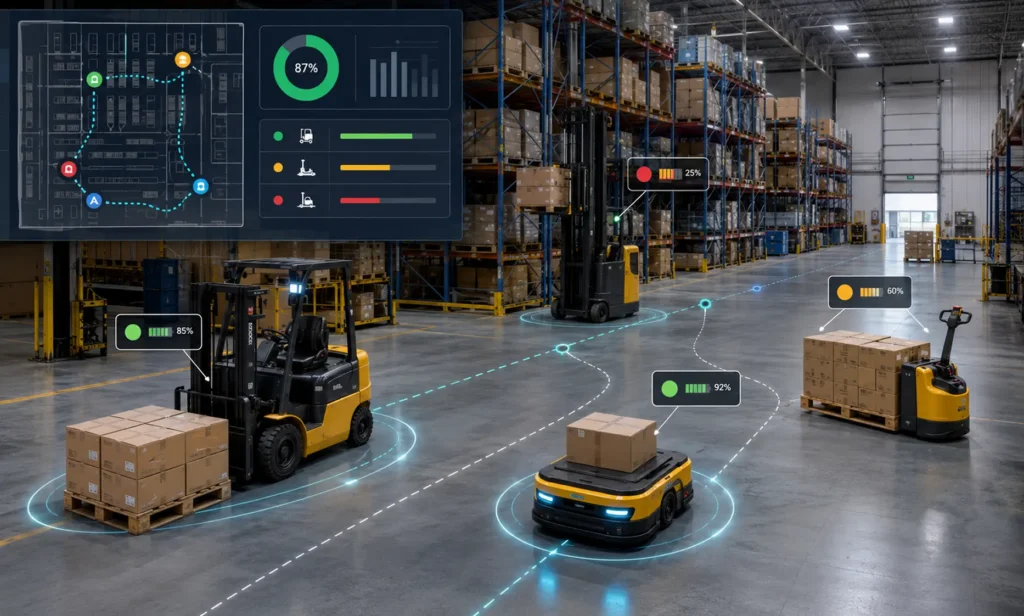
Industrial facilities contain constantly moving forklifts, reach trucks, AGVs, heavy vehicles, and personnel operating in shared workspaces. Limited visibility, blind corners, and human error significantly increase the risk of collisions, resulting in injuries, equipment damage, and costly operational downtime.
Forklift-Pedestrian Collisions
Workers operating near moving equipment face constant collision risks.
Blind Spot Accidents
Drivers cannot always see pedestrians or approaching vehicles around corners or storage racks.
Equipment Damage
Collisions result in expensive repairs, downtime, and interrupted production.
Unsafe Vehicle Interactions
Multiple moving vehicles increase the likelihood of accidents in busy operational areas.
Compliance Challenges
Organizations must demonstrate effective workplace safety controls to meet regulatory requirements.
Productivity Loss
Accidents disrupt operations, investigations, and production schedules.
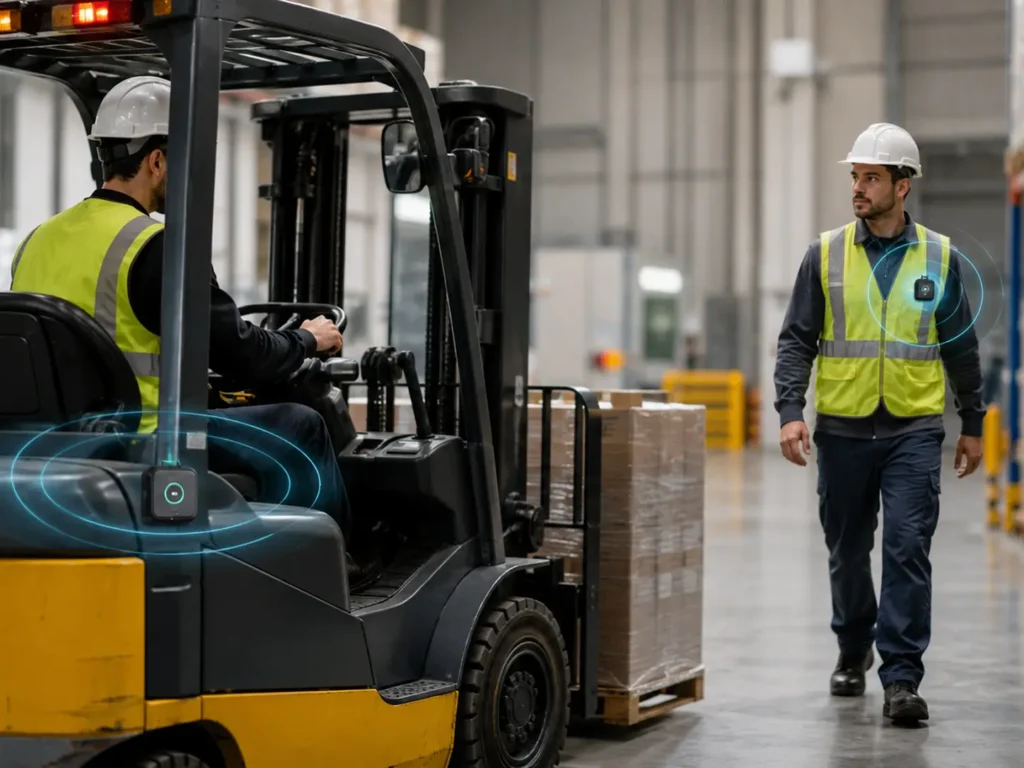
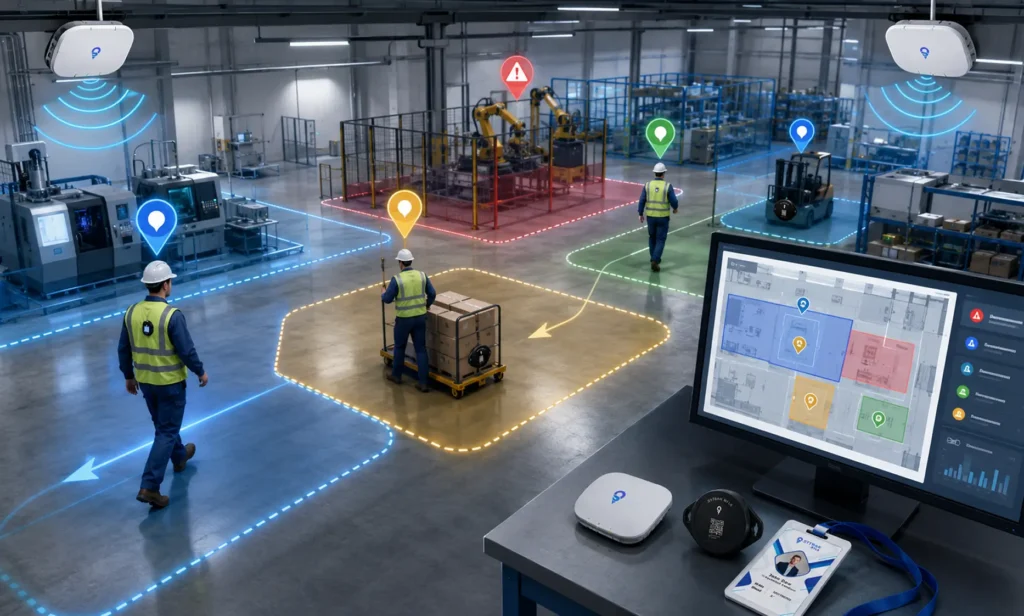
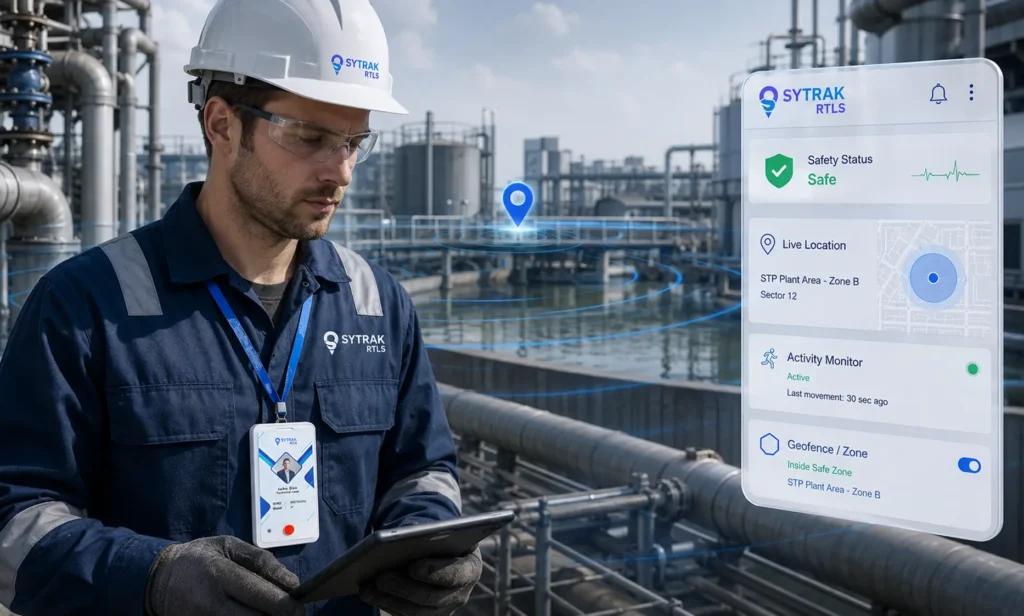
Personnel wear RTLS safety tags while vehicles and mobile equipment are equipped with RTLS vehicle units.
2.
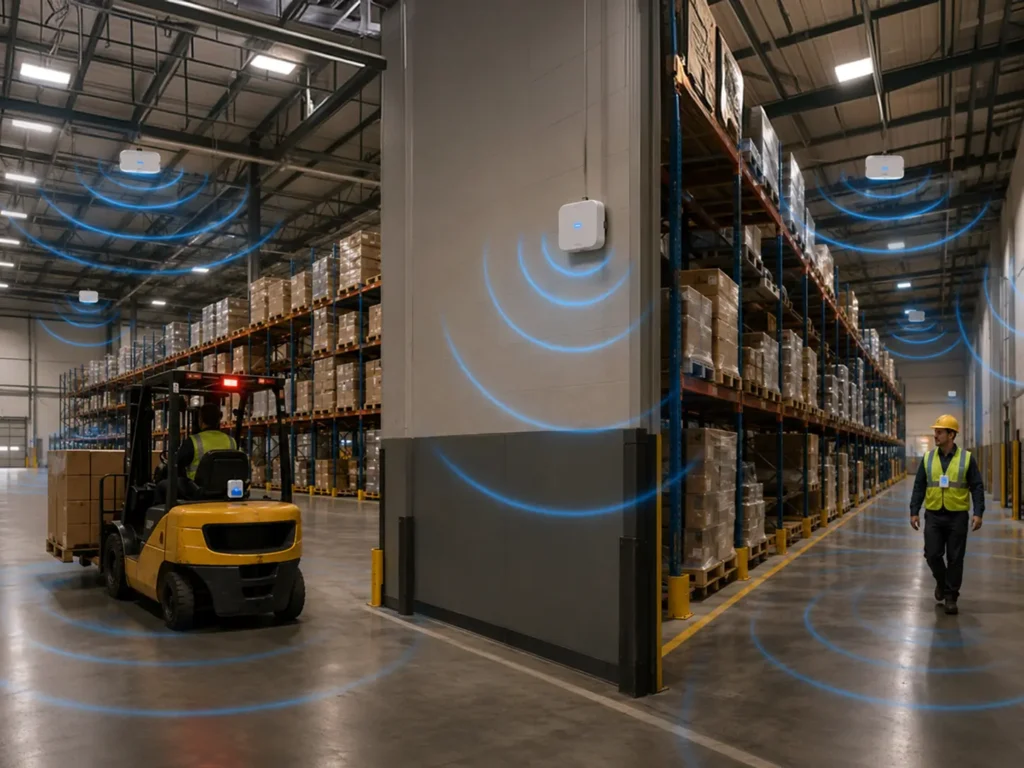
Reader/ Gateway Network
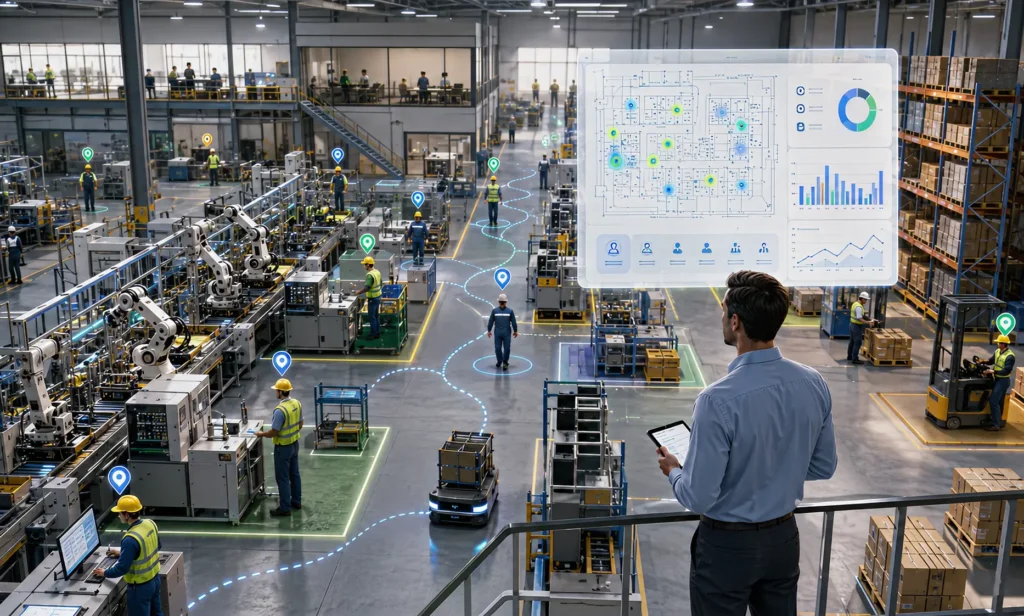
BLE, UWB, or hybrid RTLS infrastructure continuously measures the distance between workers, vehicles, and equipment in real time.
3.
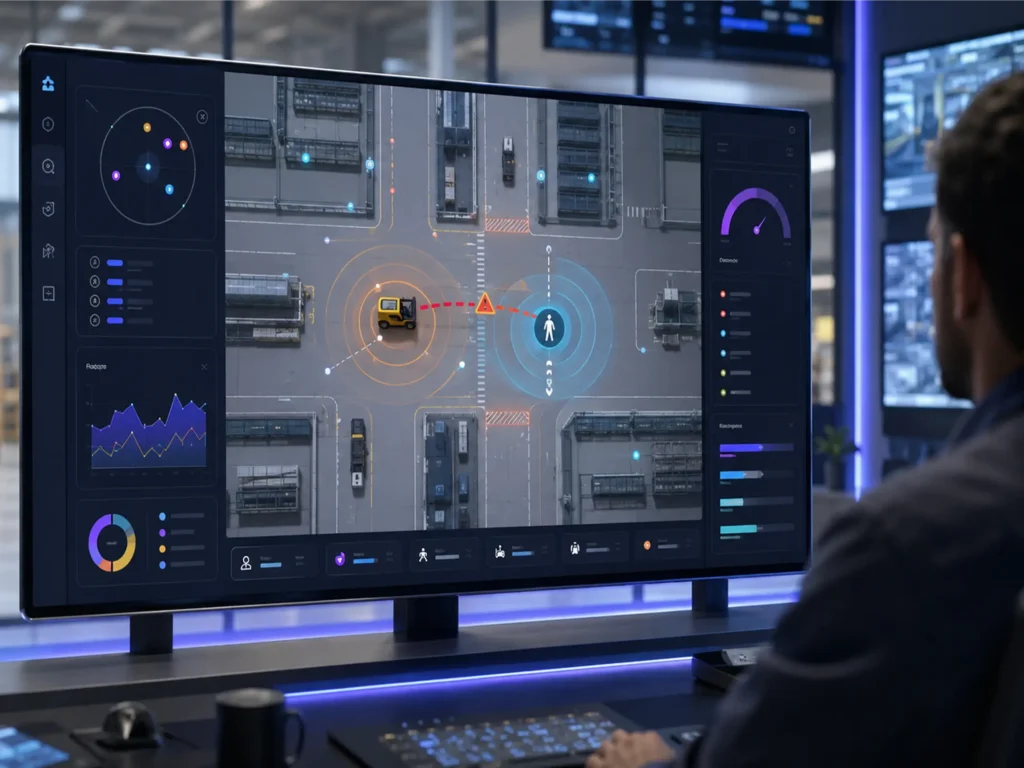
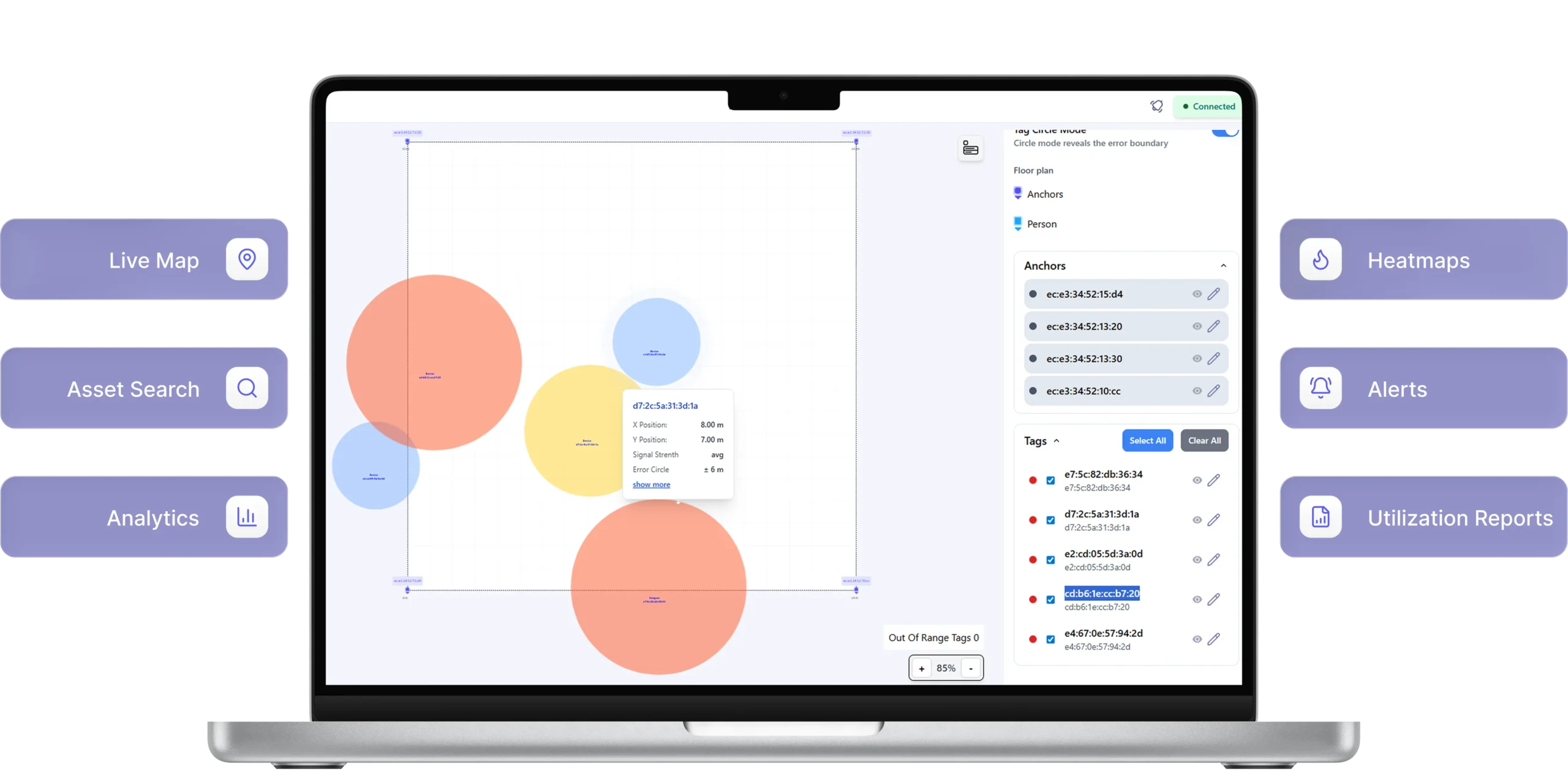
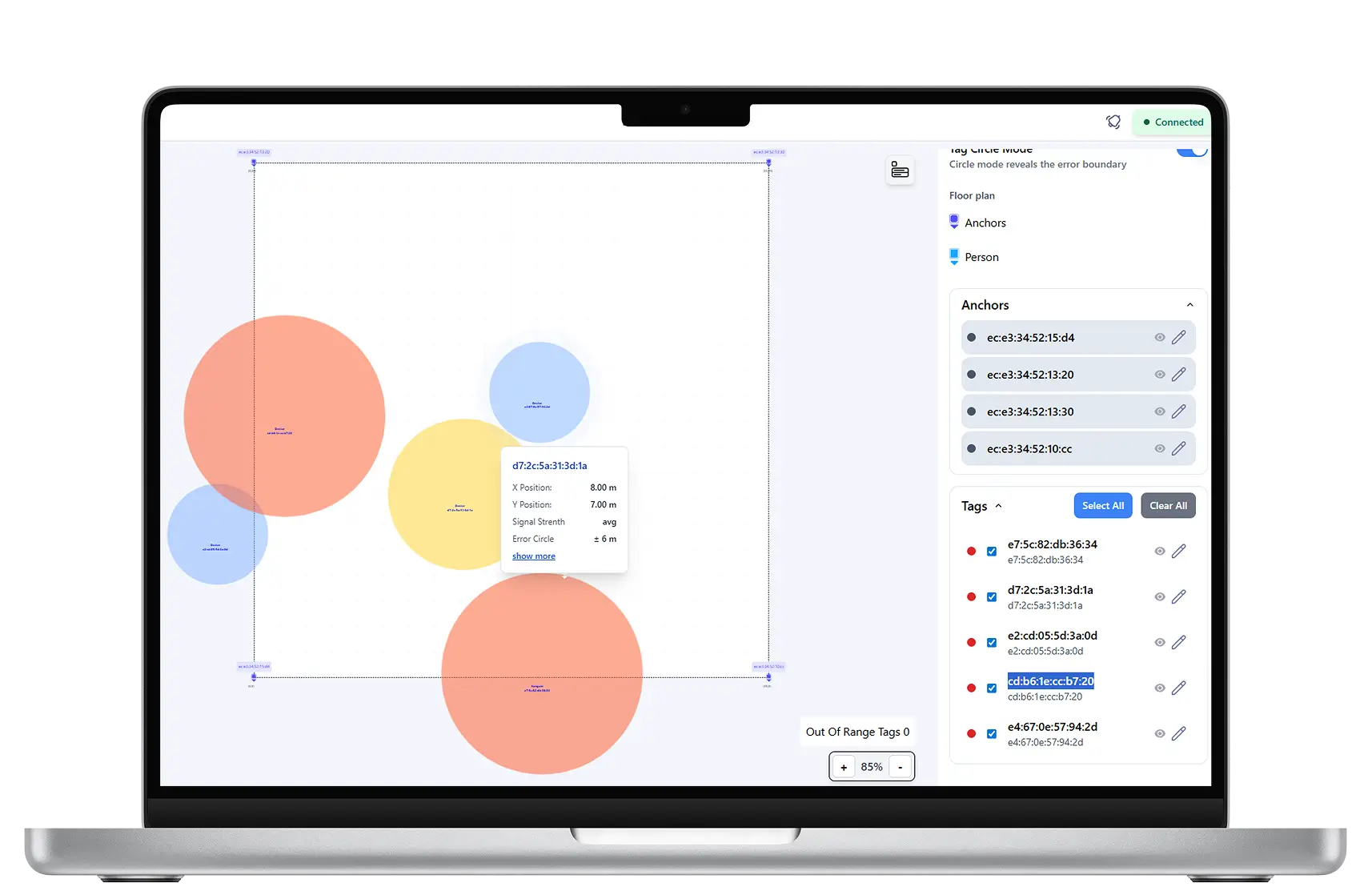
Live Dashboard View
The system continuously evaluates separation distance, vehicle movement, approach direction, and predefined safety rules to identify potential collision risks.
4.
Instant Warning
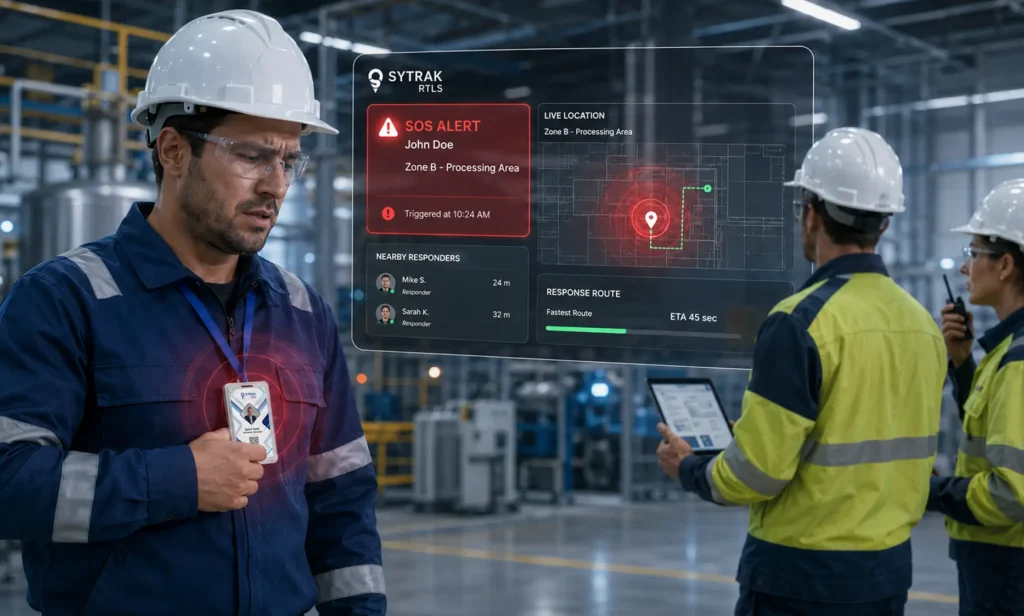
When a configurable safety threshold is exceeded, visual, audible, or wearable alerts are immediately generated for drivers, pedestrians, or both.
5.
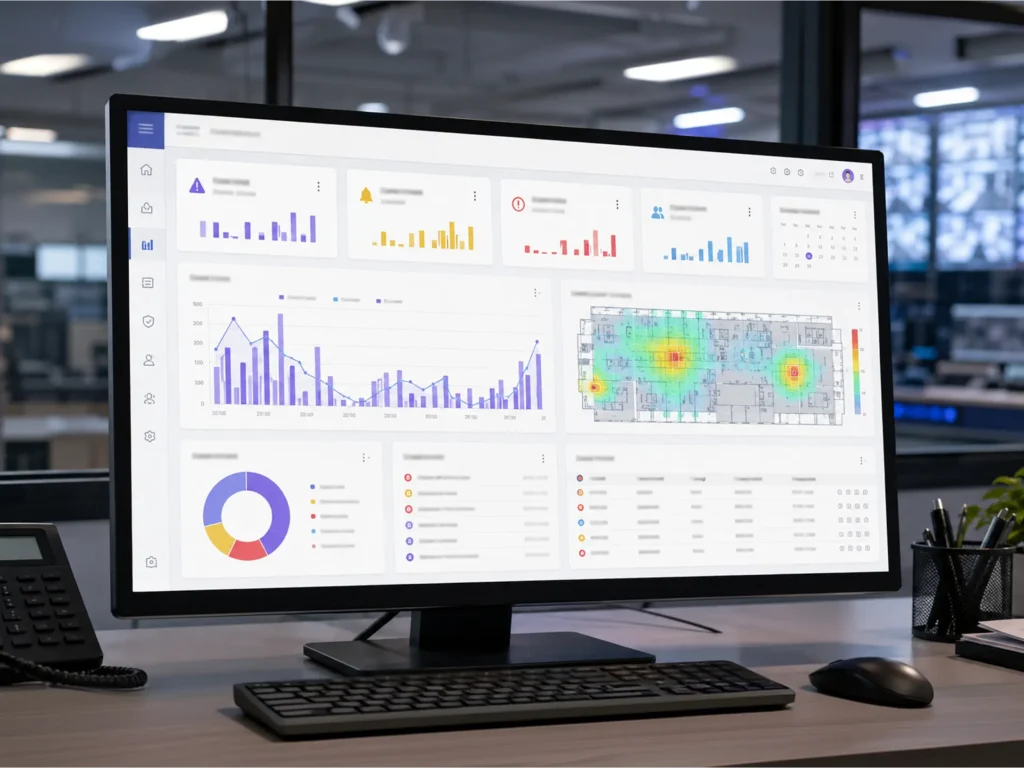
Analytics Dashboard
All proximity events, warning history, near misses, and safety trends are recorded for reporting, investigations, and continuous safety improvements.
Key Features
Real-Time Proximity Detection
Forklift-Pedestrian Protection
Vehicle-to-Vehicle Detection
Blind Corner Protection
Configurable Safety Zones
Multi-Level Alerts
Event History
Multi-Site Monitoring
Enterprise Integration
Business Impact of Anti-Collision Systems
Challenge
Benefit
Forklift accidents
✓ Improved pedestrian safety
Blind spot collisions
✓ Better operator awareness
Equipment damage
✓ Reduced repair costs
Workplace incidents
✓ Safer operations
Regulatory compliance
✓ Improved safety compliance
Operational downtime
✓ Higher operational continuity
Technologies
BLE RSSI
Cost-Effective Zone-level Tracking
BLE AoA
Sub-meter Indoor Positioning
UWB
High-Precision Location Tracking
RFID
Inventory and Checkpoint Visibility
GPS
Outdoor and Long-range Tracking
Anti-Collision Dashboard
Success Metrics
Lower Equipment Damage
Enhanced Workplace Safety
Faster Hazard Awareness
Real-Time Collision Alerts
Results may vary depending on deployment scope, operational environment, and tracking technology used.
RTLS tags installed on personnel and vehicles continuously monitor proximity. When workers and equipment come within configurable safety distances, the system immediately generates warnings to help prevent collisions.
SYTRAK RTLS supports forklifts, reach trucks, pallet trucks, AGVs, AMRs, tow tractors, industrial vehicles, and other mobile equipment operating indoors or outdoors.
Yes. Alerts can be provided through vehicle-mounted displays, audible buzzers, warning lights, wearable tags, or mobile devices, ensuring both operators and pedestrians receive timely warnings.
Yes. Every proximity event, warning, acknowledgement, and near miss is recorded to support investigations, safety audits, and continuous improvement initiatives.
Yes. SYTRAK RTLS integrates with EHS systems, fleet management platforms, ERP, MES, and other enterprise applications through APIs and standard integration methods.