
UWB Personnel Tags for Precision Workforce Visibility & Safety
Enabling Centimeter-Level Workforce Intelligence
SYTRAK RTLS UWB Personnel Tags are advanced wearable devices designed to deliver ultra-precise real-time workforce tracking. Built for safety-critical and automation-driven environments, they provide centimeter-level visibility of personnel movement across industrial operations.
What Are UWB Personnel Tags?
UWB Personnel Tags are wearable Ultra-Wideband devices assigned to individuals to track their exact position in real time. Using Time-of-Flight (ToF) measurements, these tags enable highly accurate indoor positioning when integrated within a SYTRAK RTLS infrastructure.
They are commonly used for:
- High-precision workforce tracking
- Personnel safety monitoring in hazardous zones
- Collision avoidance between workers and machinery
- Restricted zone enforcement
- Real-time mustering and evacuation tracking
- Proximity-based safety alerts
Why SyTrak UWB Tags?
Precision-Driven Safety
Centimeter-level accuracy for real-time personnel monitoring and risk prevention.
Wearable & Ergonomic
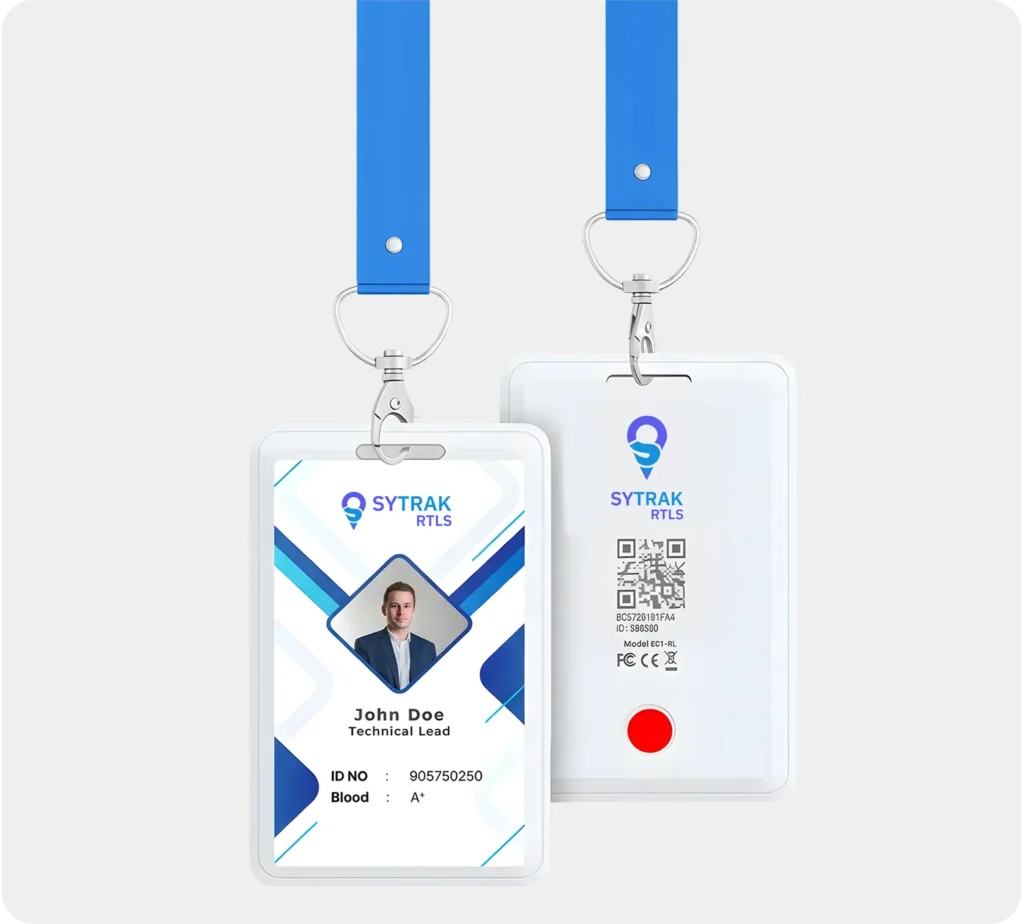
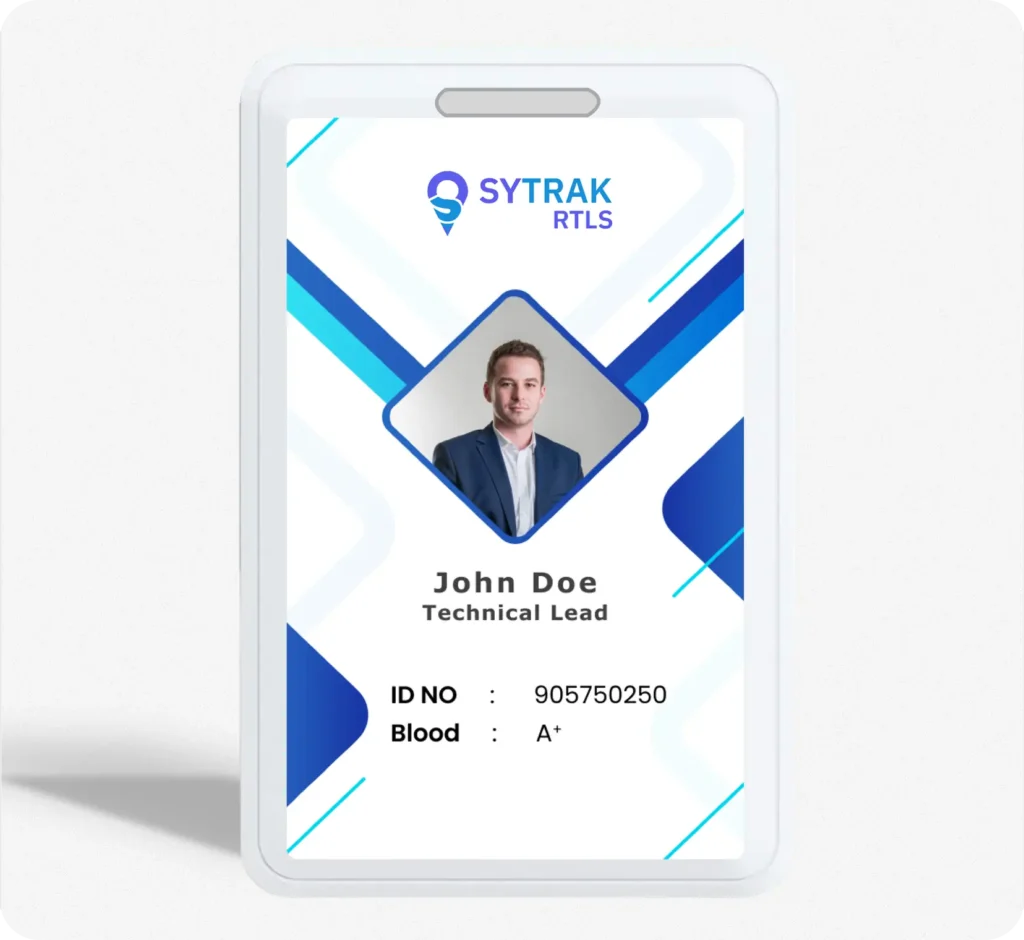
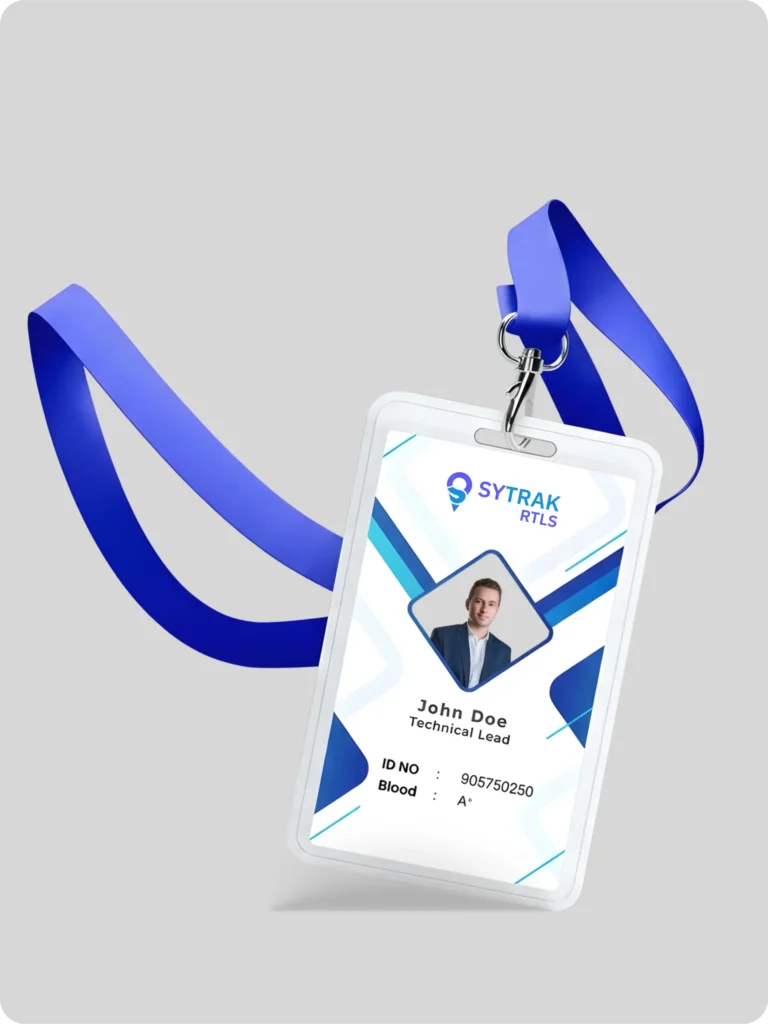
Available in ID badges, wearable devices, and helmet-mounted formats.
Low Latency Tracking
Instant location updates for real-time alerts and automation workflows.
Industrial-Grade
Designed for harsh, high-interference industrial environments.
Scalable
Supports secure ranging protocols for high-security operations.
UWB Personnel Tag Highlights
Every SYTRAK RTLS UWB personnel tag is engineered for precision, safety, and performance:
- Centimeter-level positioning accuracy
- Time-of-Flight (ToF) based tracking
- High refresh rate for real-time visibility
- High interference immunity in industrial environments
- Wearable form factors (badge, watch, helmet mount)
- Rechargeable battery options
- Secure ranging and encrypted communication
- Low latency communication
Enterprise Applications
High-Precision Workforce Tracking Across Critical Operations
SYTRAK RTLS UWB Personnel Tags
High-Precision Wearables for Safety-Critical Environments

Workforce Safety
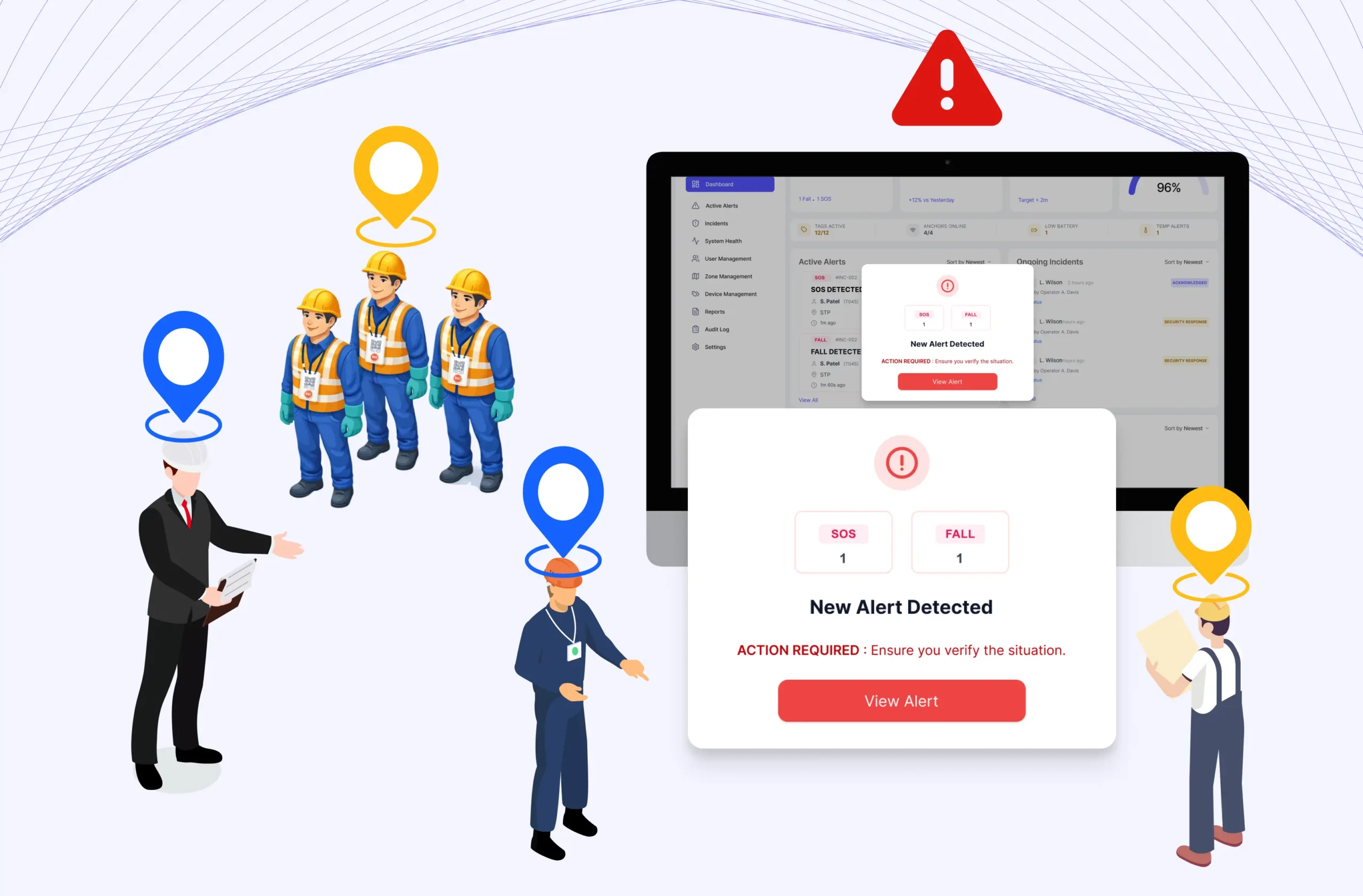
Monitor worker movement in hazardous zones and trigger real-time alerts.
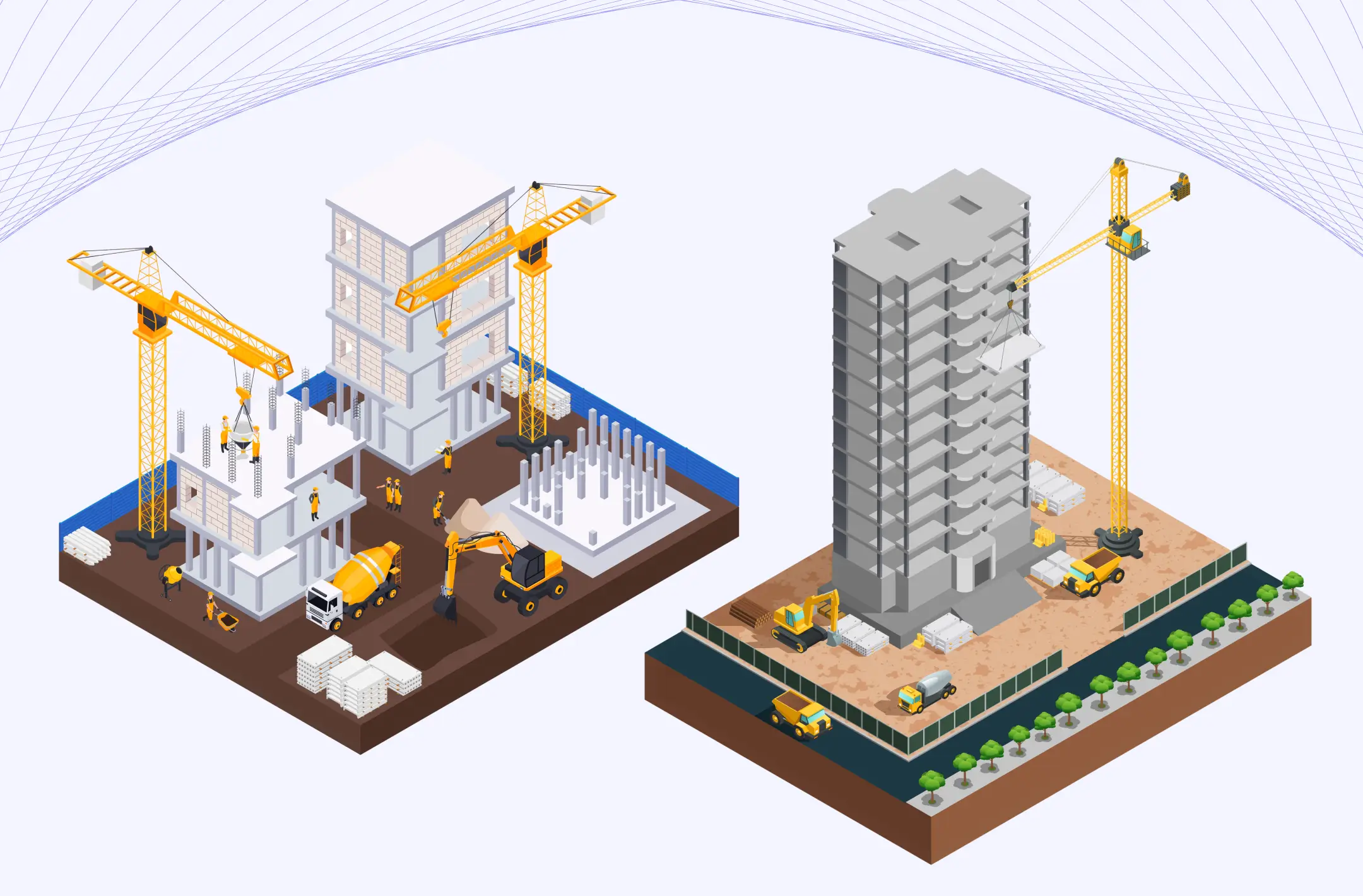
Collision Avoidance
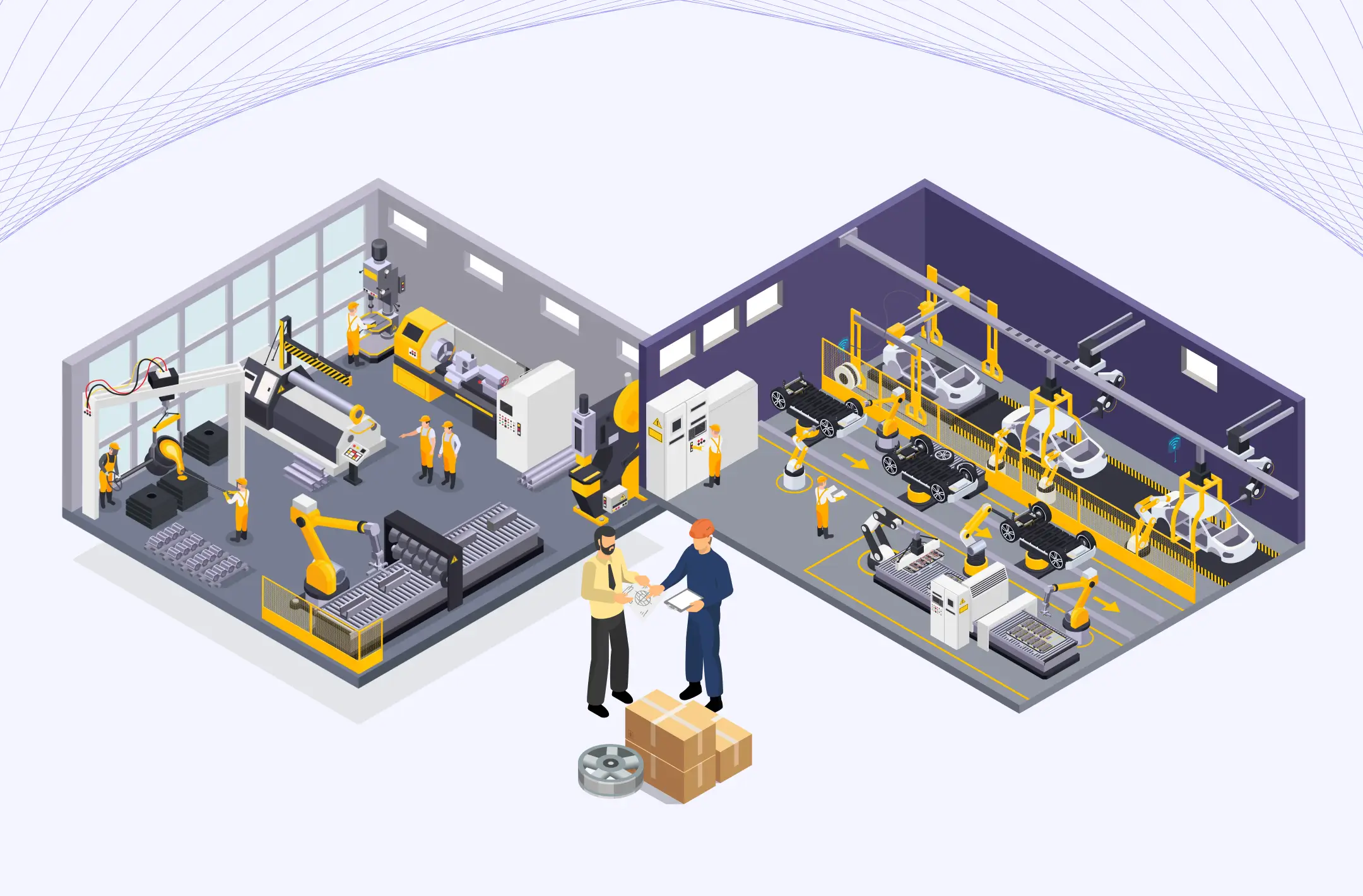
Prevent accidents between workers and heavy machinery using proximity detection.
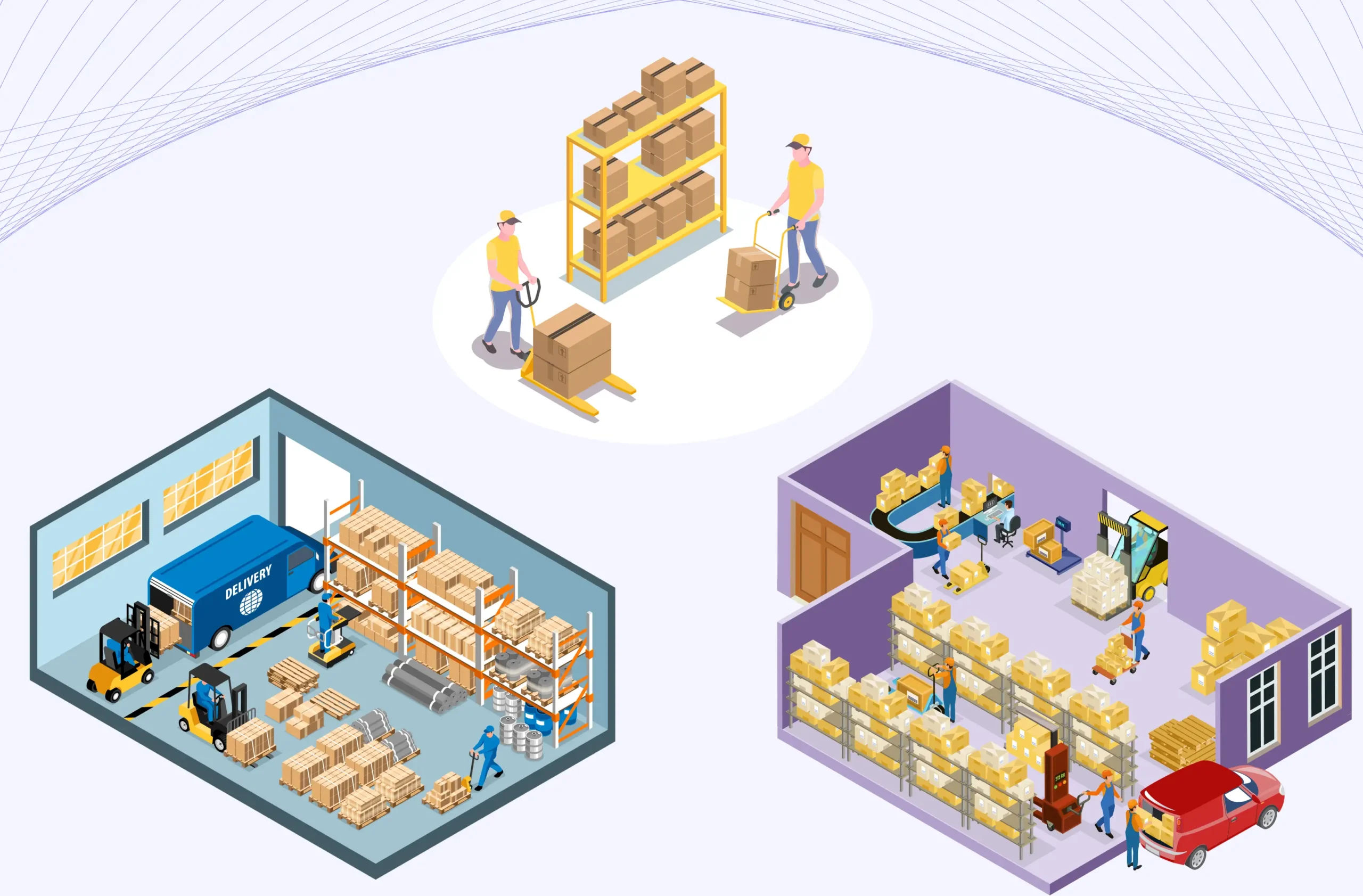
Smart Warehousing
Enable precise worker tracking for optimized operations and safety compliance.
Restricted Zone Monitoring
Enforce access control and generate alerts for unauthorized entry.
UWB vs BLE: When to Choose UWB for Personnel?
UWB is recommended when:
- Centimeter-level precision is required
- Worker-to-machine collision avoidance is critical
- Real-time proximity detection is needed
- Safety compliance requires exact positioning
- Automation depends on accurate personnel location
For cost-efficient, zone-level workforce tracking at scale, BLE is recommended.
Metric
UWB
BLE
Accuracy
Centimeter-level
Zone-level (1–3m)
Cost per Tag
Higher
Low
Battery Life
Months
Multi-year
Best Use
Precision positioning
Integration & Ecosystem
SYTRAK RTLS UWB Personnel Tags operate within a unified RTLS ecosystem:
- UWB Anchors
- SYTRAK RTLS Gateways
- Cloud/ On-Prem Orchestration Platform
- REST APIs & Enterprise Integrations
- Role-based Dashboards & Analytics
Designed to support Industry 4.0 initiatives focused on workforce safety, automation, and operational intelligence.
Typical Use Cases
Where Precision Workforce Tracking Creates Impact

Workforce Safety
Monitor personnel movement in hazardous environments and trigger real-time alerts.

High-Value Asset Tracking
Track critical tools, vehicles, forklifts, and mobile equipment with precision.

Manufacturing & Automation
Enable robotic coordination and workflow synchronization.
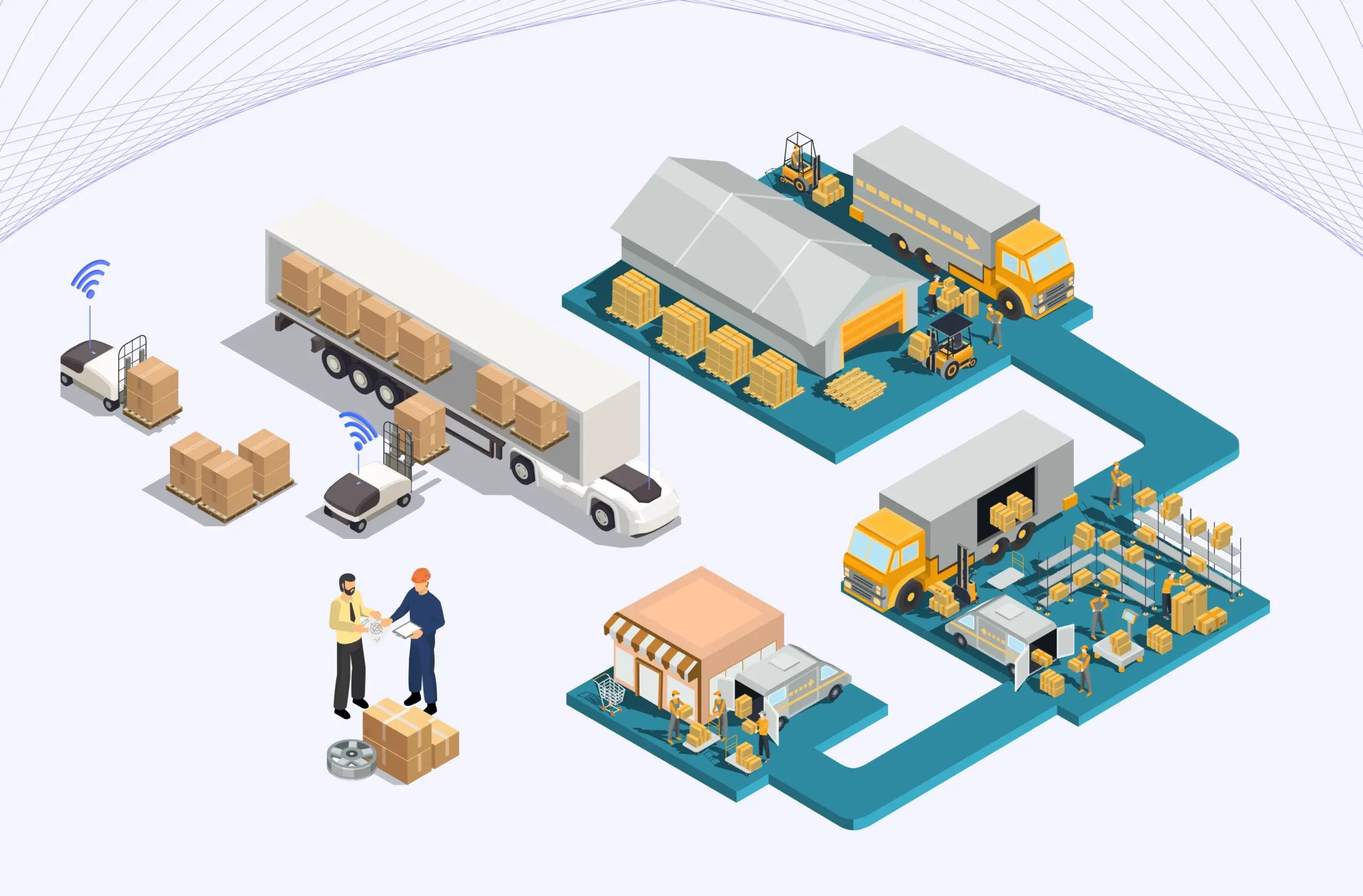
Logistics & Yard Management
Precise dock-level and bay-level tracking for faster turnaround.

Healthcare & Critical Facilities
Accurate equipment and staff location visibility for rapid response.
Enable Precision Workforce Safety with UWB Personnel Tags.
FAQs
UWB personnel tags provide centimeter-level accuracy, making them suitable for safety-critical applications like collision avoidance and restricted zone monitoring.
Yes, they are designed as ergonomic wearables such as ID badges, wrist devices, or helmet-mounted tags for continuous use during work shifts.
Yes, UWB enables real-time proximity detection, allowing systems to trigger alerts when workers come too close to machinery or hazardous zones.
Yes, they enable instant alerts based on location, proximity, and movement, improving response time during critical situations.
UWB should be chosen when precise positioning, safety automation, or collision avoidance is required, while BLE is better suited for zone-level tracking at scale.