Smart Energy Meter for Real-Time Asset Monitoring & Energy Intelligence

Monitor, Manage and Control High-Value Assets with Complete Transparency

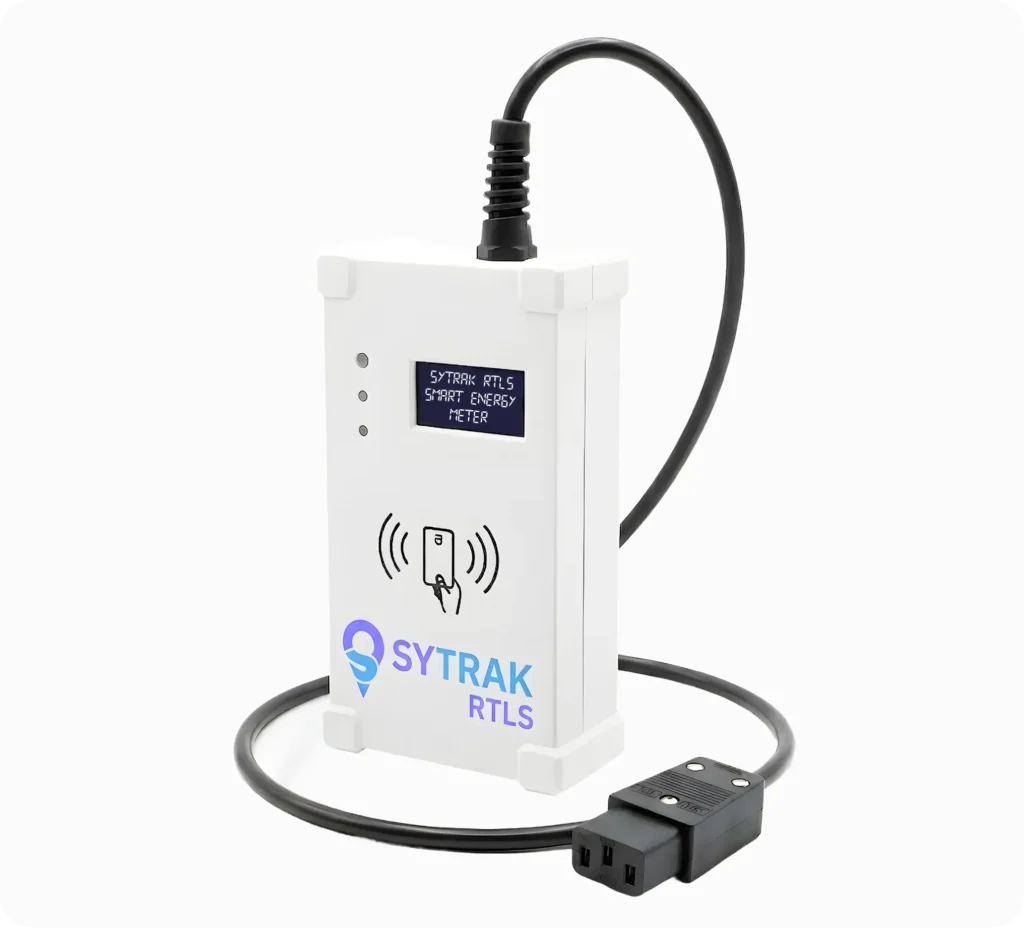
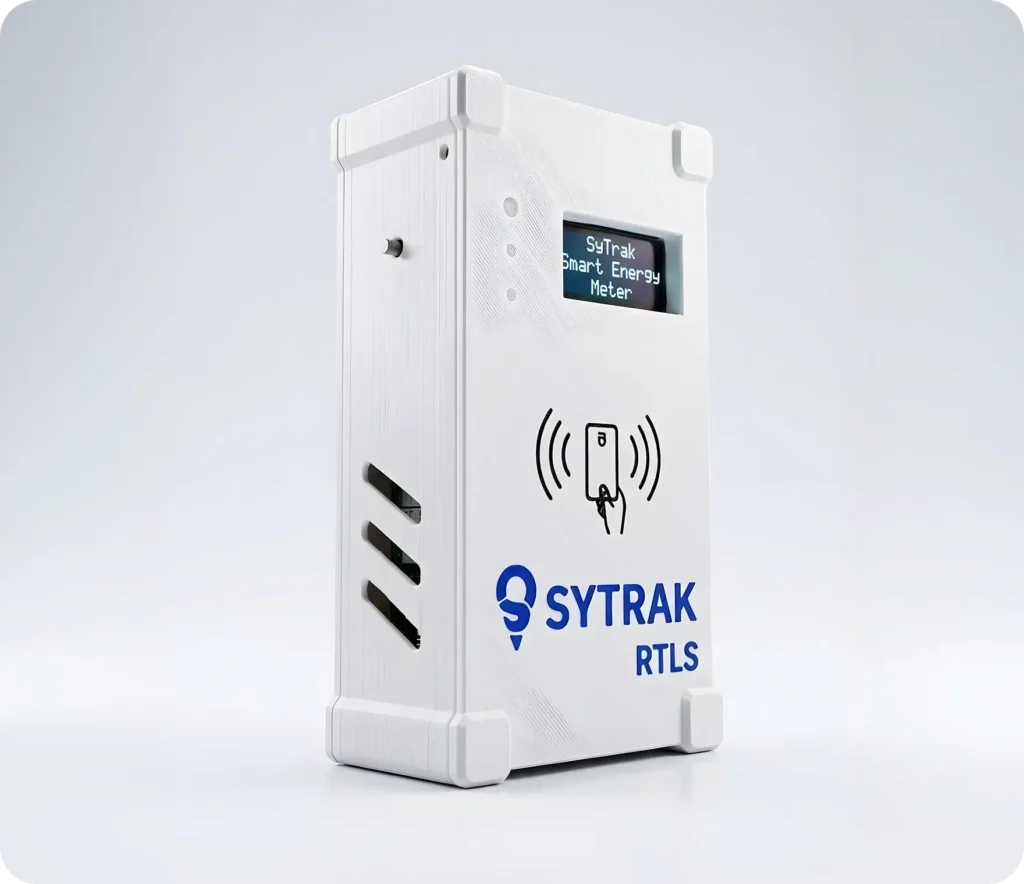
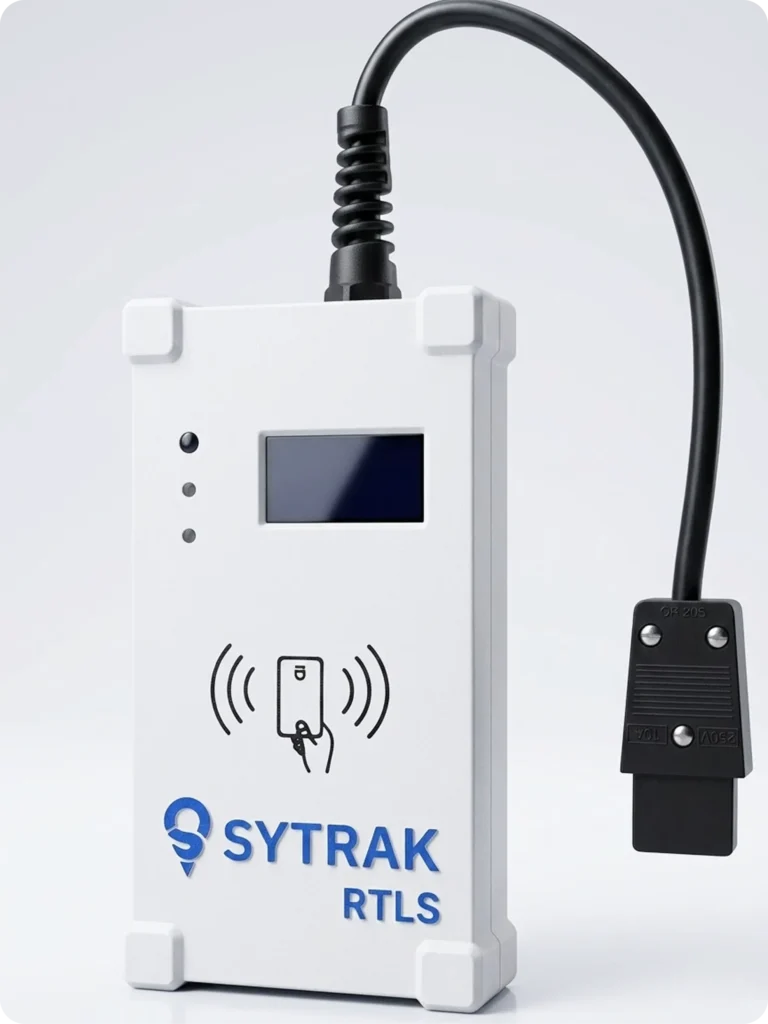
SyTrak Smart Energy Meter combines energy monitoring, RTLS asset visibility, and remote load control in one device. Built for Industry 4.0, it tracks asset usage, location, and energy consumption in real time for smarter operations.

What Is a Smart Energy Meter?

A Smart Energy Meter measures energy consumption, tracks asset usage, and enables remote control of connected equipment. Within SyTrak RTLS deployments, it works with tags, anchors, and gateways to deliver asset and energy visibility—eliminating manual asset registers and standalone energy meters.

It enables organizations to:

  • Monitor asset energy consumption in real time
  • Track asset location & usage accountability
  • Enable digital asset transfer between users
  • Control connected loads remotely (ON/OFF)
  • Analyze asset utilization & performance
  • Unified asset intelligence platform

Why SyTrak Smart Energy Meter?

Multi-Function Intelligence

Combines energy monitoring, asset tracking, and load control in a single device.

Operational Transparency

Know who is using an asset, where it is located, and how it is performing.

Remote Control

Remotely switch equipment ON/OFF through the orchestration platform.

RTLS Integration

Works seamlessly with SyTrak RTLS infrastructure for location-aware asset management.

Scalable

Supports enterprise-scale Industry 4.0 deployments across multi-site operations.

Digital Asset Ownership

Enable user-to-user asset transfer workflows with full accountability.

Smart Energy Meter Technology Highlights

Every SyTrak Smart Energy Meter is engineered for intelligent energy monitoring with accurate measurement and seamless RTLS integration.

  • Real-time energy consumption monitoring
  • Asset usage tracking and reporting
  • Remote load control (ON/OFF)
  • RTLS-enabled asset location visibility
  • Single-phase and three-phase configurations
  • Digital asset transfer workflow
  • Industrial-grade reliability
  • Cloud and on-prem orchestration integration

Why Organizations Deploy Smart Energy Meter?

Smart Energy Meter deployments are recommended when:

  • High-value assets are shared across teams
  • Asset usage transparency is required
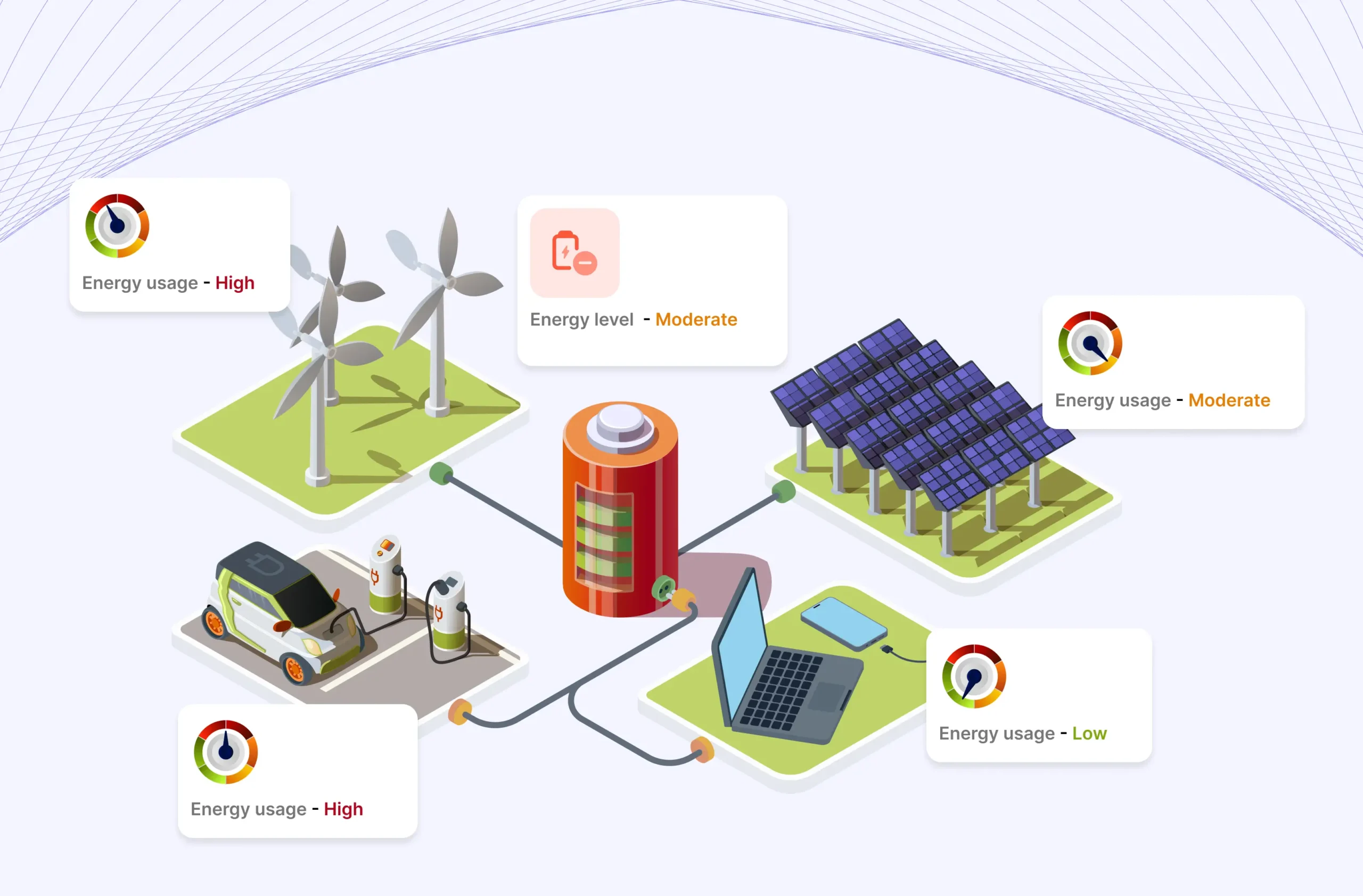
  • Energy consumption must be monitored per device
  • Remote ON/OFF control of equipment is required
  • Asset ownership must be digitally tracked
  • Operational accountability and traceability are critical

Smart energy meters enable better control, visibility, and accountability across connected assets and energy usage.

Metric

Smart Energy Meter

Role

Energy monitoring & control

Visibility

Device-level energy insights

Control

Remote ON/OFF capability

Tracking

Asset ownership & usage

Best Use

Energy optimization & accountability

Integration & Ecosystem

SyTrak Smart Energy Meter operates within a unified RTLS and orchestration ecosystem including:

  • SyTrak Anchors
  • SyTrak Gateways
  • Cloud & On-Prem Orchestration Platform
  • REST APIs & Enterprise Integrations
  • Role-based dashboards & analytics

This architecture enables organizations to combine asset intelligence, energy monitoring, and operational automation within a single Industry 4.0 infrastructure.

Typical Use Cases

Where BLE Tracking Delivers Value

Monitor asset usage and energy consumption with complete operational visibility using SyTrak Smart Energy Meter.

FAQs

The Smart Energy Meter monitors energy consumption, asset usage, load status (ON/OFF), and asset ownership, providing complete visibility into how shared equipment is used across operations.

Yes. The device supports remote load control, allowing operators to turn connected equipment ON or OFF through the SyTrak orchestration platform.

The device integrates with the SyTrak RTLS infrastructure, enabling asset location tracking alongside energy monitoring and operational control within a single unified platform.

Industries such as manufacturing, hospitals, logistics, defence, research labs, and industrial facilities benefit from improved asset accountability, energy visibility, and operational efficiency.